Choosing the perfect processor for your gaming rig in 2026 is an essential decision that impacts performance significantly. This comprehensive guide will navigate the complex world of CPUs, helping you understand core counts, clock speeds, and architectural advancements from leading manufacturers like Intel and AMD. Discover how the latest innovations are shaping gaming experiences and learn to match your processor to your specific gaming style and budget. We cover everything from entry-level builds to high-end enthusiast machines, ensuring you make an informed choice that delivers exceptional frame rates and smooth gameplay for years to come. Optimize your PC’s potential by selecting a CPU that not only meets today’s demands but is also ready for future titles. Unlock peak performance and avoid common bottlenecks with our expert insights. Your gaming future starts here.
Related games- Guide Is Life is Strange on Game Pass Right Now
- Guide to Roblox Assassins Game Master Stealth and Skills
Welcome to the ultimate living FAQ for "how to choose a processor for gaming" in 2026! Navigating the world of CPUs can feel daunting with new architectures, benchmarks, and compatibility concerns emerging constantly. This comprehensive guide has been meticulously updated for the very latest hardware releases and software optimizations, ensuring you have the most current information at your fingertips. Whether you're building a brand-new rig, looking for an upgrade, or simply trying to understand the nuances of CPU performance, we've got you covered. Dive deep into expert insights, practical tips, and straightforward answers to all your burning questions. Our goal is to empower you to make an informed decision, maximizing your gaming experience while avoiding common pitfalls and ensuring your system is ready for whatever 2026 and beyond throws at it. Let's get your game on!
Beginner CPU Questions
What is the most important CPU spec for gaming?
For most gaming in 2026, single-core performance and clock speed are the most critical CPU specifications. While core count matters increasingly, higher clock speeds on fewer powerful cores often translate to better frame rates in many popular titles. This ensures quick processing of game logic and immediate command execution for a fluid experience.
How many CPU cores do I need for gaming in 2026?
For a solid gaming experience in 2026, 6 to 8 performance cores are generally considered ideal. This range balances robust gaming performance with sufficient headroom for background applications like streaming or Discord. High-end systems might benefit from 10-12 cores for demanding multitasking, but 6-8 offers excellent value.
Should I buy Intel or AMD for a gaming CPU this year?
Both Intel and AMD offer highly competitive gaming CPUs in 2026, with leadership often shifting based on price point and specific game optimization. Intel often holds a slight edge in raw single-core speed, while AMD excels in multi-core value and power efficiency. Your choice depends on budget, specific games, and motherboard platform. Research recent benchmarks for your preferred titles.
Does a faster CPU improve FPS?
Yes, a faster CPU can significantly improve FPS (frames per second) by reducing bottlenecks. The CPU processes game logic, AI, and physics, feeding instructions to the GPU. If the CPU is too slow, it cannot supply data quickly enough to a powerful GPU, leading to lower frame rates and stuttering. A balanced CPU and GPU pairing is crucial.
What is a CPU bottleneck in gaming?
A CPU bottleneck occurs when your processor cannot keep up with your graphics card's demands, limiting its full potential. The CPU becomes the limiting factor, unable to prepare frames fast enough for the GPU to render. This results in lower-than-expected frame rates and reduced overall gaming performance, even with a high-end GPU.
Intel vs AMD: The 2026 Showdown
Which CPU brand is better for high-refresh-rate gaming?
For high-refresh-rate gaming, both Intel and AMD offer compelling options in 2026, but Intel often maintains a slight lead in raw single-core clock speeds, which many competitive games favor. Processors from both brands, however, can easily push hundreds of frames per second when paired with a strong GPU. Always check specific game benchmarks for precise comparisons.
Are AMD APUs good for gaming without a graphics card?
AMD APUs (Accelerated Processing Units) are excellent for budget or casual gaming without a dedicated graphics card. By 2026, their integrated graphics can handle many indie games and popular esports titles at 1080p with decent settings. However, for demanding AAA games, a discrete GPU remains essential, as APUs still have limitations.
Core Counts, Clock Speeds & Cache
What is the role of CPU cache in gaming performance?
CPU cache is vital for gaming performance as it provides ultra-fast memory storage for frequently accessed data, reducing the time your CPU spends waiting for information. Larger and more efficient cache designs, like AMD's 3D V-Cache, can significantly improve minimum frame rates and overall game smoothness by minimizing latency. This direct impact on data access enhances gameplay fluidity.
Do more cores always mean better gaming performance?
No, more cores do not always directly translate to better gaming performance. While modern games are utilizing more threads, strong single-core performance and high clock speeds often remain paramount. An 8-core CPU with very fast individual cores might outperform one with many slower cores in most games. It's about quality over quantity.
Cooling & Overclocking
Is overclocking worth the effort for gaming performance today?
Overclocking can still provide minor gaming performance gains, but its value has diminished as CPUs become highly optimized out-of-the-box. Gains are often in the single-digit percentages, requiring robust cooling, an unlocked CPU, and a compatible motherboard. For most users, the effort versus reward may not be substantial unless you enjoy hardware tinkering.
What type of CPU cooler is best for a gaming PC?
The best CPU cooler for a gaming PC depends on your processor and budget. For mid-range CPUs, a quality air cooler from brands like Noctua or DeepCool is highly effective and quiet. High-end or overclocked CPUs typically require an AIO (All-in-One) liquid cooler or a custom water-cooling loop to maintain optimal temperatures and boost performance.
Future-Proofing & Platforms
How can I future-proof my CPU for upcoming games?
To future-proof your CPU for upcoming games, select a processor with at least 8 strong performance cores, high clock speeds, and choose a platform supporting modern standards like DDR5 RAM and PCIe 5.0. This ensures compatibility with next-generation components and provides sufficient processing power for evolving game engines. Aiming slightly above current needs helps extend its relevance.
Does PCIe 5.0 matter for gaming CPUs in 2026?
PCIe 5.0 is becoming increasingly important for gaming CPUs in 2026, primarily for future-proofing and high-speed storage. While current GPUs might not fully utilize PCIe 5.0 bandwidth, it provides crucial headroom for next-generation graphics cards and enables incredibly fast NVMe SSDs. These faster drives significantly reduce load times and improve texture streaming, enhancing the overall gaming experience.
Myth vs Reality: CPU Edition
Myth: More cores always equal better gaming.
Reality: While multi-core utilization in games is improving, single-core speed often remains the primary driver for maximum FPS. A CPU with fewer but faster cores can outperform one with many slower cores in most games. Balanced core count with high clock speeds is key.
Myth: You need the absolute best CPU for gaming.
Reality: For pure gaming, a mid-to-high-range CPU offers excellent performance and value, often providing 90% of the top-tier experience for a fraction of the cost. The money saved can be better invested in a more powerful graphics card, which typically impacts gaming FPS much more significantly.
Myth: Integrated graphics are useless for any gaming.
Reality: By 2026, integrated graphics in modern APUs can capably handle many esports titles, indie games, and even older AAA games at lower settings. While not for enthusiast gaming, they provide a viable entry point for casual gamers or those on a very tight budget, offering decent performance where dedicated GPUs aren't an option.
Myth: CPU cooling only matters for overclockers.
Reality: Proper CPU cooling is essential for all gaming PCs, not just overclocked ones. Even at stock speeds, modern high-performance CPUs generate significant heat under gaming loads. Effective cooling prevents thermal throttling, which can drastically reduce performance and lead to stuttering, impacting every gamer's experience.
Myth: Any CPU will do if you have a powerful GPU.
Reality: This is a common misconception. A powerful GPU paired with a weak CPU will result in a significant "bottleneck." The CPU won't be able to feed instructions to the GPU fast enough, preventing the graphics card from reaching its full potential and leading to much lower FPS than the hardware is capable of. A balanced system is crucial.
Still have questions about choosing your perfect gaming CPU? We're constantly updating this FAQ with the latest information and community insights. Make sure to check out our other popular guides like "Building Your First Gaming PC: A Step-by-Step Guide" and "Optimizing Your Game Settings for Maximum FPS" to complete your ultimate gaming setup!
Hey everyone, ever found yourself scratching your head asking, "How exactly do I choose the right processor for my gaming rig in 2026?" You’re definitely not alone in that quest. Picking the perfect CPU feels like navigating a maze with endless technical jargon and confusing benchmarks, right?
But don't worry, we're going to demystify it together. Think of me as your friendly senior colleague here to help you build the ultimate gaming machine. We'll explore everything from core counts to clock speeds, making sure you understand what truly matters. By the end of this guide, you’ll feel confident making an informed decision for your next build.
Beginner / Core Concepts
1. Q: What does a CPU actually do for my gaming experience?A: I get why this confuses so many people, as the GPU often gets all the glory. Your CPU, or Central Processing Unit, is essentially the brain of your entire computer system. It handles all the complex calculations that aren't graphics related, orchestrating game logic, AI behaviors, and physics simulations. Without a capable CPU, even the most powerful graphics card cannot perform optimally. It ensures all parts of your game run smoothly together. This coordination is absolutely vital for consistent, fluid gameplay. Think of it like this: your GPU draws the beautiful game world you see on screen, but your CPU tells the GPU what to draw and when. If your CPU is too slow, it can't feed instructions to the GPU fast enough. This leads to what we call a "CPU bottleneck," causing lower frame rates and stuttering. Even with a top-tier RTX 5090, a weak CPU will hold back your performance considerably. Understanding this relationship is a fundamental step. You've got this!
2. Q: Is it more important to have many cores or a higher clock speed for gaming?
A: This one used to trip me up too, because both sound really important. For gaming in 2026, a higher clock speed on fewer, powerful cores generally offers a better experience. Most games still prioritize strong single-core performance. This means how fast each individual core can process tasks is often more critical than having an abundance of slower cores. However, modern games are increasingly leveraging more cores. If you're multitasking while gaming, like streaming on Twitch or running Discord and a browser, more cores become very beneficial. An ideal gaming CPU in 2026 balances high clock speeds with a decent core count, typically 6 to 8 performance cores. Don't chase extreme core counts unless you're also doing heavy productivity work. It's about finding that sweet spot for your specific needs. Try balancing them tomorrow and see the difference.
3. Q: Should I choose Intel or AMD for my gaming processor in 2026?
A: This is the age-old debate, and it's fantastic that competition remains fierce between these two giants. Both Intel and AMD offer excellent processors for gaming in 2026, often trading blows depending on the specific price point and game. Intel’s Arrow Lake and Lunar Lake architectures, and AMD’s Zen 5 series, are pushing performance boundaries. They each have compelling reasons to pick them for your setup. Intel often provides a slight edge in raw single-core gaming performance, sometimes ideal for competitive FPS titles. AMD frequently excels in multi-core tasks, offering great value for money and better efficiency for streaming and content creation. Your choice often comes down to your budget, specific game preferences, and overall system ecosystem. Look at recent benchmarks for the games you play most. Both platforms provide robust ecosystems now.
4. Q: How much should I spend on a CPU for gaming on a budget?
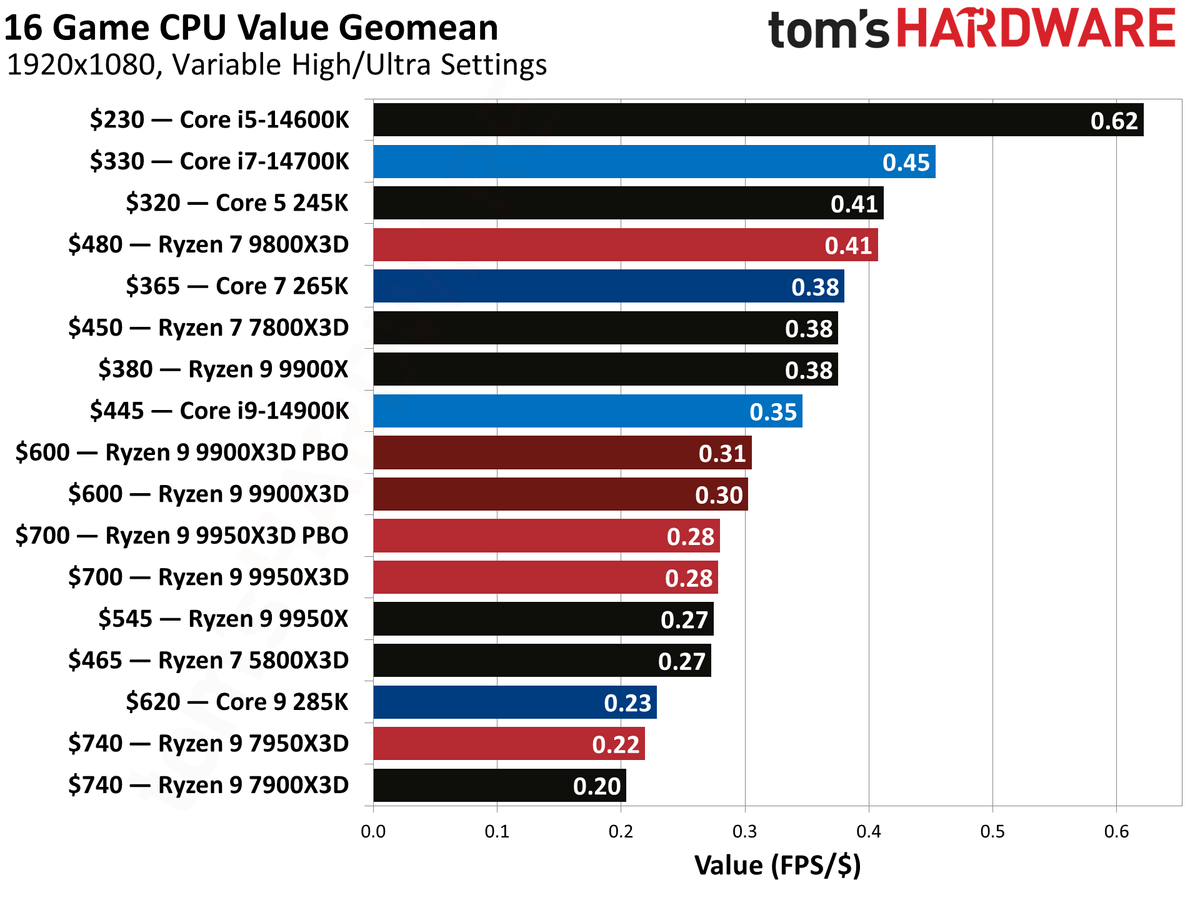
A: When you're on a budget, it’s all about smart allocation to maximize your gaming frames. For a solid gaming experience without breaking the bank in 2026, aim for a CPU in the $150 to $250 range. Processors like an Intel Core i5 or an AMD Ryzen 5 often provide incredible performance for their cost. These CPUs offer sufficient core counts and respectable clock speeds to handle most modern games effectively. Remember, a balanced build is always key; don't spend too much on your CPU only to skimp on your graphics card. A mid-range CPU paired with a stronger GPU will deliver far better gaming results than a high-end CPU with a weak GPU. Focus on value and performance per dollar. You can always upgrade your CPU later. This smart strategy will help you succeed.
Intermediate / Practical & Production
5. Q: What is the ideal core count for high-end gaming in 2026?A: For a high-end gaming experience in 2026, you're generally looking at 8 to 12 performance cores. While many games don't fully utilize more than 8 cores, having a few extra provides significant headroom. This ensures smooth multitasking, background applications, and future game titles that might scale better with core count. It also makes your system much more responsive overall for daily use. Intel's hybrid architecture, with a mix of P-cores and E-cores, effectively handles diverse workloads. AMD's Zen 5 also brings efficiency and power. Opting for a CPU with 8-12 high-performing cores allows you to effortlessly stream, record gameplay, and run demanding productivity software simultaneously. This ensures your rig feels incredibly fast and capable. Investing in this range guarantees top-tier performance for years.
6. Q: How does CPU cache affect gaming performance?
A: CPU cache is a small, extremely fast memory built directly into the processor, and it's absolutely crucial for gaming performance. It stores frequently accessed data, allowing the CPU to retrieve information much faster than from RAM or storage. Larger and more efficient cache designs significantly reduce latency, leading to smoother frame delivery and improved minimum frame rates in games. This makes a noticeable difference. AMD's 3D V-Cache technology, for instance, dramatically boosts gaming performance by stacking additional L3 cache. This innovation directly impacts how quickly your CPU can feed data to the GPU. For competitive gamers, superior cache can mean the difference between winning and losing. Always look at CPUs that offer substantial L3 cache. This optimization helps you succeed.
7. Q: Is overclocking my CPU still worthwhile for gaming in 2026?
A: Overclocking can still offer a tangible performance boost, especially for those chasing every last frame. Pushing your CPU beyond its factory clock speeds can provide a few extra percentage points in frame rates. However, modern CPUs often come highly optimized right out of the box, meaning the gains from manual overclocking are generally smaller than in previous generations. It's not the massive leap it once was. Consider if the effort, potential for instability, and increased power consumption are worth those marginal gains. You'll need an unlocked CPU, a robust motherboard, and an excellent cooling solution. For most casual to enthusiast gamers, stock performance or mild automatic boosting features are perfectly adequate. If you love tinkering and pushing hardware limits, go for it. Otherwise, focus on other upgrades.
8. Q: What kind of CPU cooling do I need for a gaming processor?
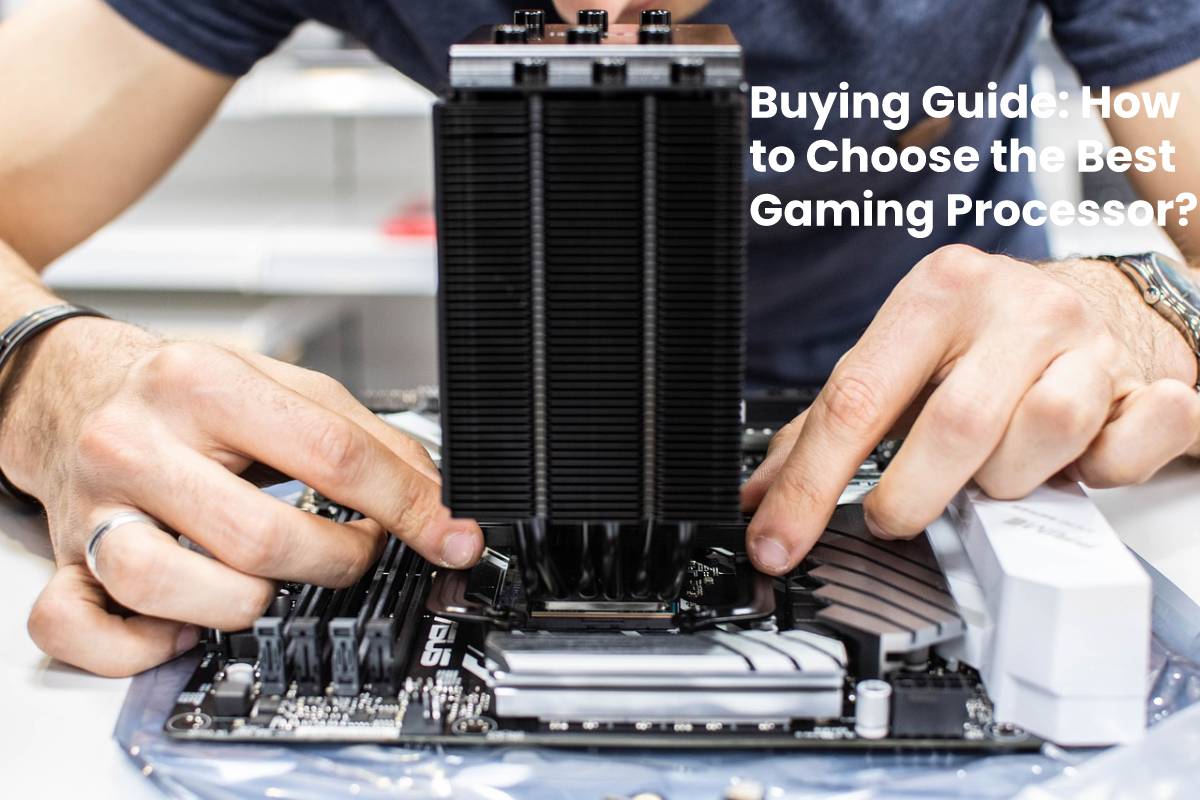
A: Proper cooling for your gaming CPU is non-negotiable, especially for high-performance chips in 2026. Processors generate significant heat under gaming loads, and inadequate cooling leads to thermal throttling. This throttling forces your CPU to slow down to prevent damage, directly impacting your frame rates and overall system stability. A good cooler maintains peak performance. For mid-range CPUs, a quality air cooler from brands like Noctua or DeepCool is often sufficient and cost-effective. High-end or overclocked CPUs absolutely benefit from an All-in-One (AIO) liquid cooler or a custom water-cooling loop. Ensure your case has good airflow and proper fan placement. Investing in cooling protects your investment. You've got this covered.
9. Q: How do I future-proof my gaming CPU choice for upcoming titles?
A: Future-proofing is always a tricky balancing act because technology evolves so rapidly. The best way to future-proof your gaming CPU in 2026 is to aim slightly above your current needs. Choose a processor with at least 8 strong performance cores and high clock speeds. This provides headroom for future game engines that might better utilize multiple threads. Consider a CPU on a newer platform like Intel's LGA1851 or AMD's AM5. These platforms support technologies like PCIe 5.0 and DDR5 RAM, offering upgrade paths without needing a new motherboard immediately. While a CPU won't last forever, selecting a robust mid-to-high-end option ensures relevance for several years. Focus on a solid foundation first. This strategy minimizes your worry about obsolescence.
10. Q: Are integrated graphics good enough for casual gaming?
A: Integrated graphics, particularly those found in AMD's Ryzen APUs or Intel's Arc-enabled iGPUs, have made impressive strides by 2026. For casual gaming, indie titles, or less graphically demanding esports games like League of Legends or Valorant, they are surprisingly capable. Many casual gamers can enjoy smooth frame rates at 1080p resolution on lower settings. However, for playing AAA titles at higher settings or resolutions, a dedicated graphics card remains absolutely essential. Integrated graphics simply lack the raw processing power and dedicated video memory needed for demanding games. If your budget doesn't allow for a discrete GPU immediately, an APU can get you gaming. Just plan for an upgrade later. It's a great stepping stone.
Advanced / Research & Frontier 2026
11. Q: Is a HEDT (High-End Desktop) CPU like Threadripper worthwhile for gaming in 2026?A: For pure gaming, a HEDT CPU like AMD's Threadripper or Intel's Xeon W series is almost never worthwhile. These processors are designed for extreme multi-threaded workloads such as video editing, 3D rendering, and scientific simulations. They offer an abundance of cores and PCIe lanes but typically have lower single-core clock speeds compared to mainstream gaming CPUs. Their high cost reflects workstation capabilities. While Threadripper Pro systems can offer respectable gaming performance, their price-to-performance ratio for gaming alone is very poor. You'd achieve much better gaming frames per dollar with a top-tier mainstream Intel Core i9 or AMD Ryzen 9. Only consider HEDT if gaming is a small part of a much larger, compute-intensive workflow. Save your budget for a flagship GPU. This smart allocation ensures peak gaming.
12. Q: What's the impact of PCIe 5.0 on gaming CPUs in 2026?
A: PCIe 5.0 is becoming standard on newer platforms in 2026, and its impact on gaming CPUs is primarily about bandwidth and future potential. While current generation graphics cards typically don't saturate a PCIe 4.0 x16 slot, PCIe 5.0 provides double the bandwidth. This increased headroom will be crucial for next-generation GPUs, ensuring they can communicate with the CPU without bottlenecks. Beyond graphics cards, PCIe 5.0 enables incredibly fast NVMe SSDs. These drives offer blazing load times and improved texture streaming capabilities, which can enhance the gaming experience. While not a dramatic FPS boost today, it’s a vital component for platform longevity and future hardware compatibility. Selecting a PCIe 5.0 CPU and motherboard provides necessary forward compatibility. You’re setting yourself up for success!
13. Q: Are AI co-processors in 2026 CPUs relevant for gaming?
A: AI co-processors, or Neural Processing Units (NPUs), are a growing trend in 2026 CPUs, primarily focusing on accelerating AI tasks for productivity and efficiency. While their direct impact on core gaming performance is currently minimal, this could evolve. NPUs handle tasks like AI upscaling, noise suppression, and background blur more efficiently than the main CPU cores. This frees up CPU resources. Looking ahead, game developers might integrate NPU capabilities for advanced in-game AI, smarter NPC behaviors, or even dynamic content generation. For now, think of them as an efficiency boost rather than a raw FPS increase. They improve overall system responsiveness for AI-driven applications. It's an exciting frontier to watch. Try to keep an eye on gaming news for NPU-driven game features.
14. Q: How important is my CPU choice for VR gaming performance?
A: Your CPU choice is critically important for VR gaming performance, perhaps even more so than for traditional flat-screen gaming. VR requires your system to render two separate images simultaneously at very high frame rates to avoid motion sickness. This double rendering, combined with complex physics and interactions, puts immense pressure on both your CPU and GPU. A strong CPU ensures consistent frame times. A powerful CPU prevents dips in frame rate, which are particularly jarring and nausea-inducing in VR. Aim for a CPU with high single-core performance and a decent core count, similar to what you’d choose for high-refresh-rate gaming. Don’t skimp on the CPU if VR is your primary focus. Pairing it with a top-tier GPU is essential for an immersive and comfortable virtual reality experience. This guarantees a smooth VR journey.
15. Q: What are the best methods for benchmarking CPU gaming performance?
A: Benchmarking your CPU's gaming performance involves more than just looking at overall FPS numbers; you need specific tools and methods. Start with in-game benchmarks found in many modern titles like Cyberpunk 2077 or Red Dead Redemption 2. These provide repeatable tests. Additionally, use monitoring software like MSI Afterburner or HWMonitor to track CPU usage, clock speeds, and temperatures. Focus on minimum frame rates (1% lows and 0.1% lows) as these indicate stuttering and overall smoothness more accurately than average FPS. Tools like CapFrameX can provide detailed frame time analysis. Run your benchmarks multiple times to ensure consistency. Compare your results with trusted online reviews for similar configurations. This systematic approach will give you accurate insights. You’ve got this process down!
Quick 2026 Human-Friendly Cheat-Sheet for This Topic
- For gaming, prioritize strong single-core speed, but 8-12 powerful cores are ideal for modern systems.- Don't overspend on a CPU if it means compromising your GPU budget; a balanced build is always king.
- Check current benchmarks for the specific games you play most when deciding between Intel and AMD.
- Invest in good cooling for your CPU to prevent thermal throttling and maintain peak performance.
- Future-proof by choosing a CPU on a newer platform supporting DDR5 and PCIe 5.0 for upgrade potential.
- Always monitor your CPU usage and temperatures while gaming to identify any bottlenecks or issues.
- Integrated graphics are great for casual gaming but a dedicated GPU is a must for AAA titles.
Choosing a gaming processor involves balancing core count, clock speed, and cache with your budget. Understanding CPU generations from Intel and AMD is crucial for compatibility and future-proofing. Your monitor resolution and target frame rate significantly influence CPU requirements. Prioritize single-core performance for most games but consider multi-core for streaming or heavy multitasking. Ensure your chosen CPU is compatible with your motherboard and memory.
35
Intel Vs AMD In 2026 Which CPU Brand Should You Choose For Gaming And 1536x1024 . Best Processor For Gaming 2026 Buyer S Guide Best Processor For Gaming . Best Gaming CPU 2026 Top AMD And Intel Processors For Your Next Build DSCF8619 . Top 10 Best Fx Processor For Gaming 2026 3601 . Best Processor For Gaming 2026 A Complete Buying Guide Najlepsi Procesor 2026 En.webp

The 6 Best CPUs For Gaming In 2026 Tested With Benchmarks Tech4Gamers Best Budget AMD Gaming CPU 1024x538 . Intel Arc Iris Xe Graphics Cards October 2025 Why Choose Intel Amd Vs Intel Cpu. Intel S 14th Gen CPUs Are Discounted As Low As 190 With Up To 178 Of 1200 80 . Best Mobile Processor 2026 Top Smartphone Chipsets Compare Best Mobile Processor 2026 - Snapdragon Apple Tensor . Buying Guide How To Choose The Best Gaming Processor Buying Guide How To Choose The Best Gaming Processor


Best CPU For Streaming In 2026 Picked After Testing Tech4Gamers Intel Core Ultra 5 245K Cinebench R23 Test Image By Tech4Gamers Scaled . How To Choose The Right Processor For Your Gaming PC Build Articles Screenshot 1 1024x575 . How To Choose The Best CPU For Gaming Part 1 By Technical Hitman . Intel Discloses CPU Roadmap Confirms Nova Lake For 2026 2025 01 31 Image 6 . AMD Mobile CPU Roadmap Leak Claims Zen 6 Arrives In 2027


Mid 2024 New CPU Tier List Best Gaming Processors Mid 2024 New CPU Tier List Best Gaming Processors . Recommended Intel Processor For Gaming At Dominic Johnson Blog AMD Ryzen 5 2600 Best Budget Gaming Cpu . How To Choose Best AMD Ryzen Processor AMD Ryzen Processor For Gaming . Core Ultra Series 2 With Lunar Lake Intel Introduces Its Most Csm Screenshot 2024 09 03 125222 78b75eb0ff . The Best Gaming Processors For PC In 2024 Best Gaming Processor


Arnold CPU Vs GPU In Maya 2026 Which One Should You Choose Arnold Arnold CPU Vs GPU In Maya 2026 Which One Should You Choose 3 . Best Motherboard For Gaming 2026 Our Top Tested Platforms For AMD And Best For Gaming . Which Processor Is Right For Me At Johanna Engles Blog . Best CPUs For 2025 Top Processors For Next Gen Computing Image 1511 . 7 Best Gaming Processor Coolers In 2026 Top Gaming Cooler Comparisons




The Best CPU For Gaming In 2025 Tom S Hardware 650 80 . Best CPUs Of 2024 Intel Vs AMD Gaming Production Budget Vlcsnap 2024 11 21 .webp. PC Gamer Hardware Awards The Best Gaming CPU Of 2024 PC Gamer 1732 80 . The Top 10 Gaming Laptops Under 500 Updated 2026 Review Best Gaming PC . Hardest GCSE Subjects Easiest GCSEs Tutors Advice 2026 How To Choose Your GCSE Subjects In 2026.webp


How To Choose A Best Gaming Processor Buy Servers How To Choose A Best Gaming Processor . How To Choose The Right CPU For Your Gaming PC YouTube . Best Gaming Processor 2024 Ultimate Powerhouse Performance Lucky Falcon Best Gaming Processor 2024 . Is Your Intel CPU Crashing Here S How To RMA An Intel CPU Digital Trends Intel Raptor Lake Review 2 . Intel Arc B370 IGPU And Panther Lake Processor Leak In Benchmark Test Intel At CES 2026 Panther Lake Laptop Gaming