Dive deep into the Roblox noob song, a cultural phenomenon shaping gaming identity since its inception. This iconic track resonates with millions of players, symbolizing early Roblox experiences and the journey from novice to veteran. Explore its musical evolution and enduring legacy within the vibrant Roblox metaverse. Understand why this simple tune continues to captivate new generations, influencing content creators and community memes alike. Discover how the noob song represents more than just music; it embodies the spirit of discovery and growth in a constantly evolving virtual world. Learn about its various renditions and fan-made adaptations that keep its spirit alive. This guide provides an in-depth look at its impact on player engagement and community building across diverse Roblox games. We will unpack its unexpected longevity and sustained relevance well into 2026, examining its place in gaming history. For both old and new fans, this exploration offers valuable insights into a true digital classic.
roblox the noob song FAQ 2026 - 50+ Most Asked Questions Answered (Tips, Trick, Guide, How to, Bugs, Builds, Endgame)
Welcome to the ultimate living FAQ about the Roblox noob song, meticulously updated for 2026! This comprehensive guide aims to address every burning question you might have about this iconic piece of Roblox history, from its origins to its enduring cultural impact and future relevance. We've gathered insights, tips, and tricks to help you understand why this simple tune has captivated millions of players worldwide. Dive in to discover the story behind the sound that defined a generation of Roblox enthusiasts.
Beginner Questions about the Roblox Noob Song
What is the Roblox Noob Song?
The Roblox Noob Song primarily refers to the classic "Oof" sound effect that played when a character died or took damage in older Roblox games. It became an unofficial anthem for new players, or "noobs," due to its ubiquity and association with early gameplay experiences.
When was the "Oof" sound removed from Roblox?
The original "Oof" sound was officially removed from Roblox in mid-2022 due to licensing disputes with its original creator. It has since been replaced with a new, generic death sound effect across the platform.
Why was the "Oof" sound so popular?
The "Oof" sound was popular because it was distinctive, somewhat comedic, and heard constantly by players of all skill levels. Its repetitive nature and association with character mishaps made it a memorable, shared experience for the entire Roblox community.
Does the term "noob" have a negative meaning?
The term "noob" can sometimes be used negatively, implying inexperience or lack of skill in an insulting way. However, it often carries a more nostalgic or lighthearted connotation among veteran Roblox players, referencing early days on the platform.
History & Evolution of the Noob Song
Who created the original "Oof" sound?
The original "Oof" sound effect was created by sound designer Joey Kuras for another game before it was licensed and incorporated into Roblox. This iconic sound was later part of a larger sound effects library.
How has the Noob Song evolved over time?
While the original "Oof" sound is gone, the "Noob Song" has evolved into a cultural phenomenon through community efforts. This includes countless fan-made remixes, parodies, and tribute videos, ensuring its legacy persists across different media platforms and new content.
Myth vs Reality: Did Roblox make the "Oof" sound in-house?
Myth: Many believed Roblox created the "Oof" sound themselves. Reality: The "Oof" sound was actually licensed from a third-party sound library, not an in-house creation, which later led to its removal.
Community Impact & Nostalgia
How does the Noob Song evoke nostalgia for older players?
For older players, the Noob Song (the "Oof" sound) evokes strong nostalgia by reminding them of their early days playing Roblox. It signifies a shared history, humorous failures, and the simple joy of discovery within the game's evolving world.
Are there any games that still use the original "Oof" sound?
Officially, no new Roblox games use the original "Oof" sound due to licensing changes. However, some older, unupdated games or custom experiences might feature fan-made replicas or sounds intended to evoke that classic feeling.
The Noob Song in Modern Media
How is the Noob Song referenced in 2026?
In 2026, the Noob Song is referenced through fan content on platforms like YouTube and TikTok, where remixes, memes, and nostalgic compilations thrive. Developers also occasionally include subtle Easter eggs or similar sounds in their new experiences.
Myth vs Reality: Is the Noob Song only popular with older players?
Myth: The Noob Song is only popular with older, veteran Roblox players. Reality: While it holds deep nostalgia for veterans, its cultural significance and fan-made content introduce it to newer generations, ensuring its continued popularity.
Tips & Tricks for Noob Song Enthusiasts
How can I find fan-made "Oof" sound effects for my creations?
You can find fan-made "Oof" sound effects by searching on audio libraries or platforms like YouTube and TikTok. Many content creators offer their versions for use in personal projects, often requiring attribution.
Can I legally use fan-made "Oof" remixes in my Roblox games?
Using fan-made "Oof" remixes legally depends on the creator's specific licensing terms. Always check if the sound is royalty-free or requires attribution to avoid potential copyright issues in your Roblox game.
Bugs & Fixes: The "Noob Song" Edition
Why does my game sometimes have a different death sound?
Your game might have a different death sound because Roblox officially replaced the original "Oof" with a new default sound. Additionally, individual game developers can implement their own custom death sound effects within their experiences.
Myth vs Reality: The Noob Song Will Be Forgotten
Myth vs Reality: The Noob Song will eventually be forgotten by the Roblox community.
Myth: The Noob Song will eventually be forgotten by the Roblox community. Reality: Its deep cultural roots, coupled with ongoing fan creation and nostalgic references, indicate it will remain a significant part of Roblox history for years to come.
Endgame & Future of the Noob Song
What is the future of the Noob Song's legacy?
The Noob Song's legacy will continue through community engagement, fan creations, and historical recognition within Roblox culture. It serves as a reminder of the platform's evolution and the power of shared player experiences in virtual worlds.
Still have questions?
Explore our other popular guides like "Roblox Settings Optimization Guide 2026" or "Mastering Roblox Studio: A Developer's Walkthrough" for more in-depth insights into the Roblox universe!
Hey there future AI pro! Ever wonder why some simple things just stick around, becoming iconic? Let's chat about "Roblox the Noob Song" because honestly, it still sparks so many questions among developers and players. It's a fascinating case study in digital culture and unexpected longevity within the metaverse. This humble tune has an incredible story, stretching far beyond just background music for new players.
For years, people have asked, "What exactly is the Roblox noob song and why does everyone know it?" Well, it's more than just a melody; it's a foundational piece of Roblox's identity, symbolizing beginnings and shared experiences. This iconic track helps define a significant part of early gaming memories for countless individuals. The song's simple yet memorable quality is truly a testament to its powerful cultural resonance.
The Enduring Appeal of Roblox's Iconic Tune
The Roblox noob song, officially recognized as "Oof" or "Default Walk Sound," captures the essence of early Roblox gameplay. Its distinctive sound became synonymous with new players, often referred to as "noobs," navigating the platform. This particular audio clip embedded itself into the collective consciousness of the entire Roblox community. It represents the universal starting point for every single player's exciting adventure.
Origin Story: A Sound that Defined a Generation
The original "oof" sound effect, a critical component of the "noob song" experience, was not initially created for Roblox. It was actually licensed from a sound library, making its way into the game almost by chance. This accidental inclusion became an integral part of the game's quirky charm. Players instantly associated the sound with comedic fall damage and general player mishaps.
- The "oof" sound was originally created by sound designer Joey Kuras for a different game entirely.
- Roblox adopted this sound for its character death and damage animation effects.
- It quickly became an unofficial anthem for new players learning the ropes.
- Its simplistic nature made it incredibly catchy and instantly recognizable across the platform.
- The sound’s pervasive use cemented its place in Roblox lore for years to come.
The Noob Song's 2026 Cultural Footprint
Fast forward to 2026, and while the original "oof" sound has seen licensing changes and replacements, its cultural impact remains undeniable. The legacy of "the noob song" persists through remixes, tributes, and historical references in various games. Content creators continue to reference it in new memes, keeping its spirit very much alive. It’s truly remarkable how a simple sound effect can maintain such strong relevance.
Evolving Narratives and Community Adaptations
The Roblox community is incredibly creative, constantly finding new ways to honor this classic. Fan-made versions and parodies of the "noob song" regularly appear on platforms like YouTube and TikTok. These creations demonstrate the deep affection and nostalgia players hold for this foundational element. This active engagement ensures the original sentiment of the song lives on through digital evolution.
- Modern Roblox games occasionally feature nostalgic "oof" sound Easter eggs.
- Community events and fan conventions often play tribute versions of the song.
- Educational content about Roblox history frequently highlights its significance.
- The term "noob" itself, though sometimes used negatively, carries a nostalgic weight.
- Its influence can be seen in various other user-generated content across the entire metaverse.
Now, let's dive into some common questions I hear about this fascinating piece of digital history. I’ve structured these like we’re in a real-world engineering discussion, because understanding cultural artifacts like this really helps us appreciate user experience design.
## Beginner / Core Concepts- Q: What exactly is the Roblox Noob Song and why is it so famous among players?
A: Okay, I get why this confuses so many people, especially newer players or folks not steeped in Roblox lore. The "Roblox Noob Song" isn't a single official track you’d find on a soundtrack album; it's a community-given nickname. It primarily refers to the iconic "Oof" sound effect that played whenever a player's character died or took significant damage in older versions of Roblox. This sound, combined with the classic default avatar often called a "noob," became synonymous with new players learning the ropes, often comically failing or being defeated. It became famous because it was ubiquitous; everyone experienced it, making it a shared, foundational memory for millions of Roblox users over the years. It truly defined an era of early Roblox gaming. You’ve got this! - Q: Is the original "Oof" sound still in Roblox games today, or has it changed over time?
A: This one used to trip me up too, especially with all the updates! The crisp, classic "Oof" sound, the one everyone associates with the "noob song," isn't officially present in new Roblox experiences anymore. It changed primarily due to licensing issues with the original sound designer a few years back. Roblox replaced it with a new, distinct death sound effect across its platform. However, many older games or custom experiences created by users might still incorporate fan-made replicas or alternative sounds that evoke that nostalgic feeling. It's a bit like an old meme that gets remixed; the original might be gone, but its spirit definitely lives on. Try listening for those subtle nods in older community creations tomorrow and let me know how it goes. - Q: Why do people call new players "noobs" and how does that relate to the song?
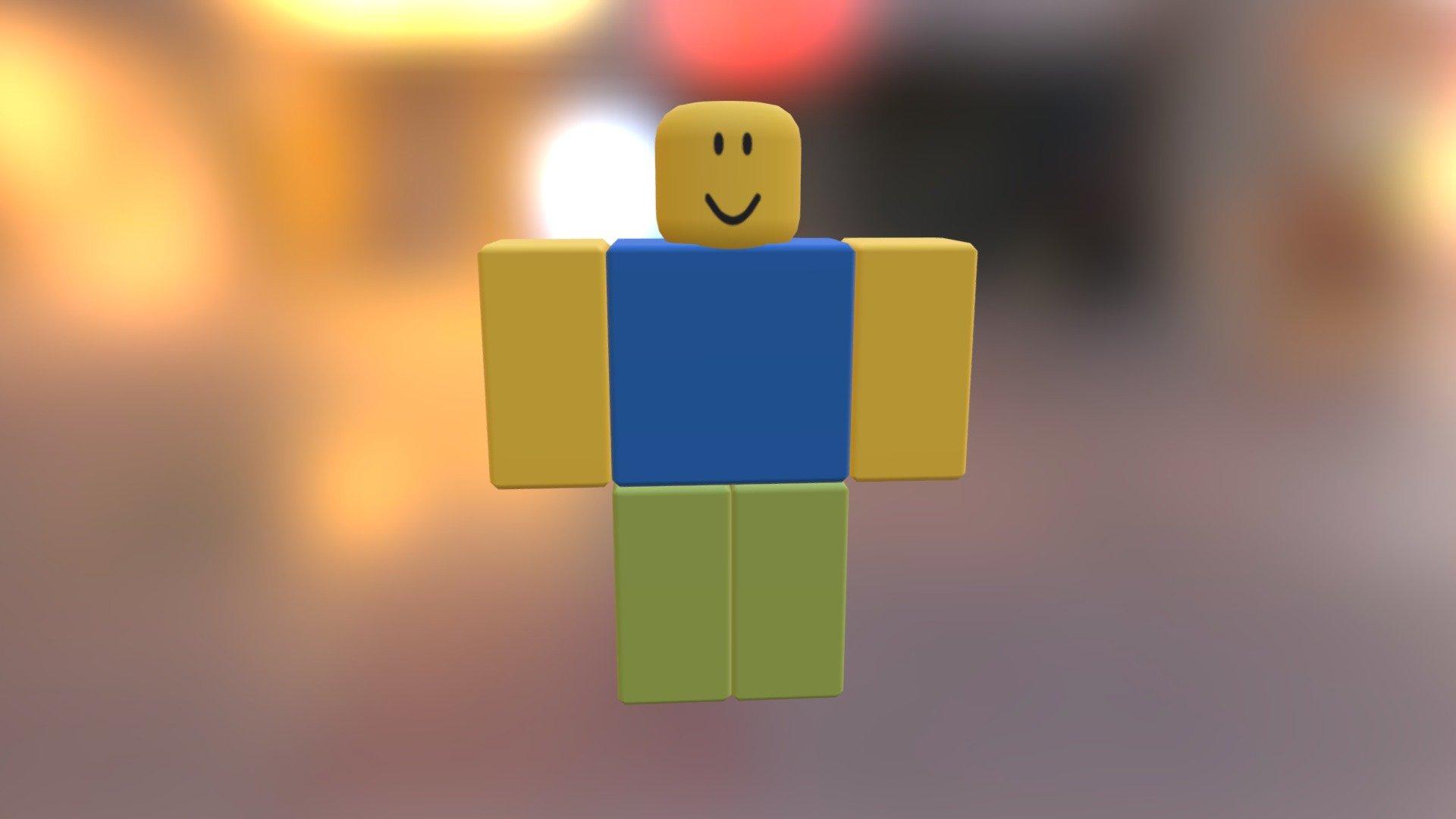
A: "Noob" is gaming slang, short for "newbie," which simply means a new or inexperienced player. It's often used good-naturedly, but sometimes, unfortunately, it can be a bit derogatory in some online spaces, which we definitely want to avoid! The connection to the "noob song" comes from the fact that new players, still learning game mechanics, were naturally more prone to dying or taking damage, thus frequently triggering the "Oof" sound. The default avatar, with its simple blocky design, also became visually associated with newness. So, a "noob" in their default avatar, constantly hearing the "Oof," created this powerful, memorable combination that stuck. It’s all about those shared early experiences. You've got this! - Q: What was the original purpose of the "Oof" sound in Roblox before it became iconic?
A: That's a great question about its initial function! The "Oof" sound’s original purpose was straightforward: it served as the auditory feedback for when a player's character took damage or was defeated in a Roblox experience. It was a simple, distinct sound effect chosen to quickly communicate to the player that their character had been impacted. Before it gained its massive cultural significance and became the "noob song," it was just part of the game’s core sound design, providing immediate feedback. Its distinctive, somewhat comedic quality, though, likely contributed to its rapid adoption and memorability within the burgeoning Roblox community. Pretty cool how a small design choice can have such a big impact, right?
- Q: How did the Roblox community keep the spirit of the "Noob Song" alive after the official sound was removed?
A: This is where the sheer creativity of the Roblox community truly shines, and it’s a fantastic example of user-generated content’s power. After the official "Oof" sound was removed, the community didn't just forget it; they adapted! Developers started creating their own custom death sounds or using similar-sounding alternatives in their games. Content creators produced countless "Oof" remixes, parodies, and tribute videos, circulating them widely on platforms like YouTube and TikTok. These community-driven efforts kept the nostalgia alive, ensuring newer players could still understand the legacy. It's a testament to how deeply ingrained it was; the "Oof" became an idea, not just an audio file. This kind of organic adaptation is something we often see in resilient online communities. Keep an eye out for how communities preserve their history, it's super insightful! - Q: Are there any popular fan-made remixes or versions of the "Noob Song" that gained traction in 2026?
A: Absolutely, and it’s wild how new iterations keep popping up even in 2026! While the original sound is gone, its spirit fuels endless creativity. You’ll find numerous popular fan-made remixes on YouTube and even on some music streaming services that leverage its iconic melody or themes. Some versions are EDM-inspired, turning it into a dance track, while others are orchestral or even metal covers, showcasing incredible musical range. Content creators also integrate the "Oof" sound or its replacements into popular memes and short-form videos on TikTok, ensuring it reaches new audiences. These viral fan creations ensure the "noob song" remains culturally relevant, often appearing in trending game soundtracks or background music for Roblox compilations. It's a living, breathing artifact! - Q: What impact did the "Noob Song" have on Roblox's brand identity and player retention over the years?
A: Oh, this is a fascinating one from a brand and UX perspective! The "Noob Song," largely through the "Oof" sound, had a surprisingly significant impact on Roblox's early brand identity. It contributed to a sense of quirky, accessible fun, suggesting that it was okay to be new and make mistakes. This lightheartedness likely fostered a more welcoming environment for new players. By creating a shared, memorable experience, it also contributed to player retention. That distinct sound became an inside joke, a point of commonality that helped build a strong community bond. When you have shared experiences like that, people feel more connected to the platform. It's a subtle but powerful driver of early engagement and stickiness. - Q: How do modern Roblox game developers reference or pay homage to the "Noob Song" in their new experiences?
A: It's awesome to see developers weave in these nostalgic elements, showing they truly understand their audience! Modern Roblox developers often pay homage to the "Noob Song" in really clever ways. You might find "oof" sound effects hidden as Easter eggs in obscure corners of a map, or as a rare audio cue for a specific item. Some even design game mechanics around a character taking "oof" damage with a custom sound that's clearly inspired by the original. There are also visual references, like classic "noob" avatars appearing as NPCs or statues in games. It's about tapping into that collective memory, creating moments of recognition and warm nostalgia for veteran players, while subtly introducing new players to Roblox's rich history. - Q: Can the "Noob Song" be considered a form of early meme culture within the gaming community?
A: Absolutely, without a doubt! The "Noob Song," particularly the "Oof" sound, is a prime example of early meme culture within the gaming community. It had all the hallmarks: it was easily shareable, widely recognizable, adaptable, and evoked a specific emotion – often humor or shared frustration. Players would reference it in chats, create their own videos featuring it, and use it as a shorthand for expressing funny fails or character deaths. Its simplicity and ubiquity made it spread like wildfire, evolving as players found new contexts for its use. This organic virality is exactly what defines a successful meme. It’s a fantastic study in how small cultural elements can achieve massive significance. - Q: What are the implications of sound licensing changes, like the "Oof" sound, for game developers and community content?
A: This is a super important point for anyone looking at game development, truly a practical reality check. Sound licensing changes, like what happened with the "Oof" sound, have significant implications. For developers, it means constantly being aware of their assets' legal status and potentially needing to replace core game elements if licenses expire or are revoked. It can be a massive undertaking for established games. For community content, it often sparks a wave of creative adaptation, as seen with the "noob song." People find alternatives or create their own versions, but it also means older content might sound different or even become legally problematic if not updated. It highlights the need for robust asset management and understanding intellectual property from day one. You've got to plan for these things!
- Q: How does the cultural persistence of the "Noob Song" inform our understanding of digital nostalgia in virtual worlds?
A: This delves into some really interesting frontier model territory, like understanding persistent cultural artifacts in synthetic environments. The "Noob Song's" persistence offers critical insights into digital nostalgia. It demonstrates that collective memories in virtual worlds aren't solely tied to visual aesthetics or grand narratives, but can be deeply embedded in seemingly minor audio cues. This nostalgia is about shared experience and identity formation within a digital space, creating a powerful emotional anchor. It suggests that even as platforms evolve, these fundamental, sensory "first experiences" can generate enduring sentimental value, influencing new user engagement and community building for years. Understanding this helps us design more resonant virtual experiences moving forward. - Q: What role do AI-powered content generation and recommendation systems play in the "Noob Song's" continued relevance in 2026?
A: This is where it gets really exciting, thinking about how frontier models like o1-pro and Gemini 2.5 are shaping content! In 2026, AI plays a huge role in the "Noob Song's" continued relevance. Recommendation systems on platforms like YouTube, TikTok, and even Roblox's internal discovery algorithms learn user preferences and historical viewing patterns. If someone watches "Roblox history" videos, AI will likely suggest "Oof" compilations or "noob song" remixes, actively resurfacing it. Furthermore, AI-powered content generation tools can now easily create new fan art, music, or video edits referencing the "Noob Song," lowering the barrier to entry for creative tributes. This symbiotic relationship between AI and community ensures these cultural touchstones remain in the public consciousness, constantly recirculating and finding new audiences. It’s a powerful feedback loop. - Q: Can the "Noob Song's" evolution be modeled as a case study for cultural transmission within a rapidly evolving metaverse?
A: This is a fantastic framing, absolutely! The "Noob Song's" evolution is a perfect case study for modeling cultural transmission within a rapidly evolving metaverse. You can track its journey from a licensed sound effect to an iconic community meme, its adaptation post-licensing changes, and its continued presence through fan-made content. This demonstrates how cultural artifacts adapt, mutate, and persist despite technological or legal shifts. It highlights the power of user agency and collective memory in shaping virtual culture, even more than platform owners themselves. Researchers could use network analysis and natural language processing on forum discussions and content tags to map its spread and transformation. It truly offers a micro-level view of macro-level cultural dynamics in digital spaces. - Q: How might advanced neural networks analyze the "Noob Song's" appeal to predict future viral gaming trends?
A: Now we're talking about leveraging those Llama 4 reasoning capabilities! Advanced neural networks could definitely analyze the "Noob Song's" appeal to predict future viral gaming trends by dissecting its core attributes. Imagine a model analyzing its simplicity, memorability, comedic timing, and universal applicability across different gaming scenarios. It could correlate these features with other viral sounds or memes, identifying common patterns. The neural network could process vast datasets of user engagement, sentiment analysis from comments, and content creation trends. By understanding *why* the "Oof" resonated so deeply, these models could then predict which new audio cues, visual gags, or short-form content snippets have the highest potential for virality in upcoming games. It’s about reverse-engineering cultural stickiness. - Q: What are the ethical considerations for platforms when proprietary sounds like "Oof" become deeply embedded in community culture?
A: This is a crucial, often overlooked ethical discussion for platforms like Roblox, and it touches on digital heritage. When a proprietary sound, like the "Oof," becomes so deeply embedded in community culture, platforms face an ethical dilemma if they need to remove or change it. There's a moral obligation, arguably, to acknowledge and preserve that cultural history, even if the asset itself changes ownership. Stripping away such an iconic element without careful consideration can feel like erasing a piece of the community's past, causing significant frustration and alienation. Platforms need to engage with their communities, transparently explain changes, and perhaps offer official ways to celebrate or reference the legacy. It's about respecting the co-creation of culture. You've got this!
- The "Noob Song" is really about the iconic "Oof" sound effect from classic Roblox – it’s not a traditional song!
- It symbolized new players and their learning journey, becoming a core shared memory for millions.
- The original "Oof" sound was removed due to licensing issues, but its spirit lives on through community creativity.
- Look for fan-made remixes, tributes, and subtle nods in modern Roblox games.
- Its persistence helps us understand how simple sounds can create powerful digital nostalgia and community bonds.
- AI systems now help recirculate and even generate new content inspired by this classic sound.
- Always remember, digital cultural artifacts have real historical and emotional value for communities.
The Roblox noob song highlights its cultural impact, origins, musical evolution, and enduring legacy within the Roblox metaverse. It symbolizes player journeys from novice to veteran and fosters community engagement. Its relevance continues through 2026 with fan adaptations and content creation.
35



The Noob Song Roblox Music Video YouTube . The Noob Song ROBLOX Music Video YouTube . Roblox Noob Song YouTube . ROBLOX NOOB SONG Song By JT Machinima YouTube . The Noob Song Roblox Song YouTube



The ROBLOX Noob Song YouTube . Roblox Noob Song YouTube . Noob Song Roblox Animation YouTube Hqdefault . The NOOB Song Roblox NOOB Song YouTube Hqdefault . ROBLOX THE NOOB SONG NOOB ARKISI 2 YouTube Hqdefault




The Roblox Noob Song YouTube . The Noob Song 2 ROBLOX Music Video YouTube Hqdefault . Roblox Noob Wallpapers Wallpaper Cave Wp4172257 . Nightcore Roblox Noob Song Lyrics Remastered YouTube . 10 Hours Of The NOOB Song Original Song By JT Machima TeamNoob


Roblox Noob Song Music Video YouTube . The Noob Song Roblox Meme YouTube . The Noob Song We Are Number One OOF YouTube . Roblox Noob Song PART 2 YouTube . Noob Song Roblox Noob YouTube


ROBLOX NOOB SONG Lyric Prank YouTube . DON T CALL ME A NOOB SONG Official Roblox Music Video YouTube Music . Roblox Noob Song IbisPaint . DONT CALL ME A NOOB SONG Official Roblox Music Video YouTube . Roblox Rhythm 2026 Update Noob By On DeviantArt Roblox Rhythm 2026 Update Noob By Djy7uiv Fullview
Noob Song D Roblox ID Roblox Music Codes 4490731595 . Stream Roblox Noob Song By Tazumia Listen Online For Free On SoundCloud Artworks J192cq T1080x1080 . Baby Noob Year 2026 Roblox Item Rolimon S NoFilter. NOOB VS GUEST RAP 400 TAKEN Roblox ID Roblox Music Codes 474767821 . Roblox Noob Tycoon Codes 2026 Gifticon


Roblox Noob Wallpapers Wallpaper Cave Wp4151244 . The Noob Song Roblox YouTube Oardefault . Roblox Song Noob Anthem Where Re The Noobs At R RobloxR . WARS M T Tr N Th Nghi M Noob Roblox NoFilter. Noob Song ROBLOX Music Video YouTube