Discover the ultimate guide to Roblox Splittertarn decals. Learn how to find, apply, and optimize these unique camouflage textures for your in-game creations. This comprehensive resource delves into creative uses, performance tips, and community trends, ensuring your builds stand out. Understand the history and visual appeal of Splittertarn and how it enhances realism and style on the Roblox platform. Perfect for builders and creators aiming to elevate their designs with authentic detail. Explore popular applications across various game genres and get expert advice on managing decal IDs and integrating them seamlessly into your projects. Stay ahead of the curve with insights into trending customization strategies.
What exactly is a Roblox Splittertarn Decal?
A Roblox Splittertarn Decal is a digital image asset that can be applied to parts or surfaces within Roblox Studio to add visual detail, specifically mimicking the historical German Splittertarn camouflage pattern. Gamers use these decals to customize buildings, vehicles, uniforms, and environments, enhancing realism and aesthetic appeal. It allows creators to introduce a distinct military or historical theme to their creations, providing a level of detail that elevates their game beyond basic textures. These decals are essentially image files with unique IDs that Roblox players and developers can upload and utilize within their projects, making customization accessible and versatile.
How do I find reliable Splittertarn Decal IDs for my Roblox projects?
Finding reliable Splittertarn Decal IDs involves leveraging Roblox's Creator Marketplace, searching community forums, or using third-party decal libraries. Start by searching "Splittertarn" or "Splitter camo" in the Creator Marketplace for decals uploaded by other users. Be sure to check the decal's popularity and creator reviews for quality assurance. Many dedicated Roblox design communities on platforms like Discord or fan wikis often share curated lists of high-quality, verified decal IDs. Always test the decal in a private server or development environment first to ensure it meets your expectations and doesn't contain unexpected elements.
What are the best methods for applying a Splittertarn Decal to a part in Roblox Studio?
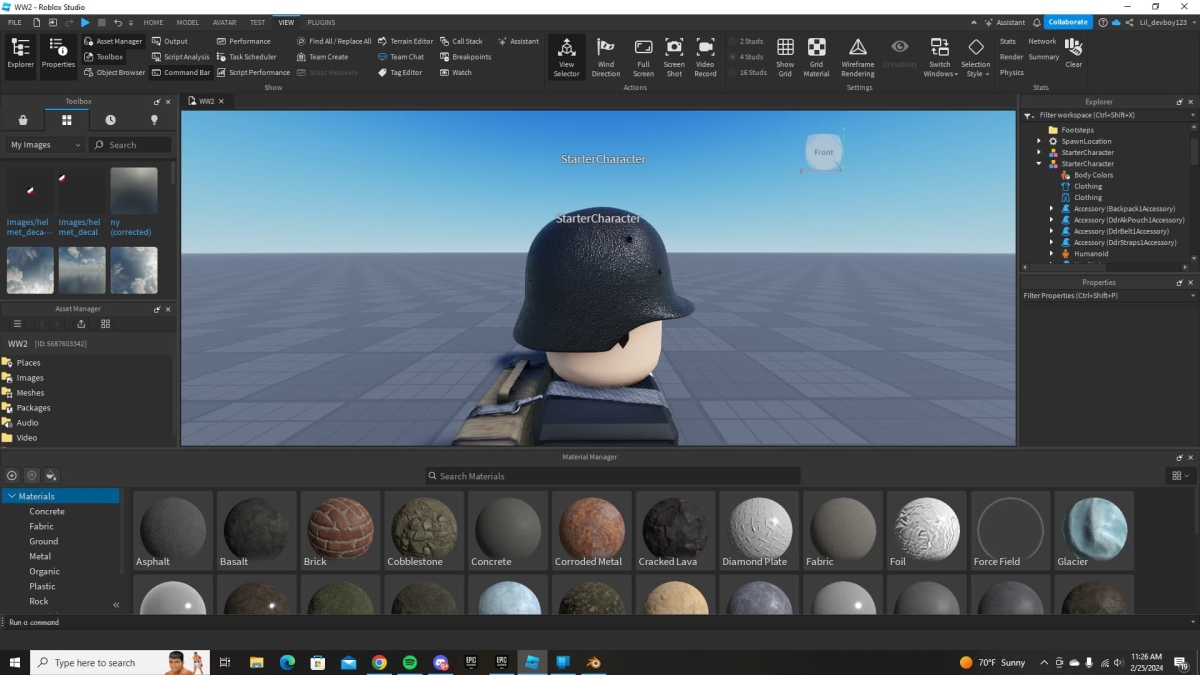
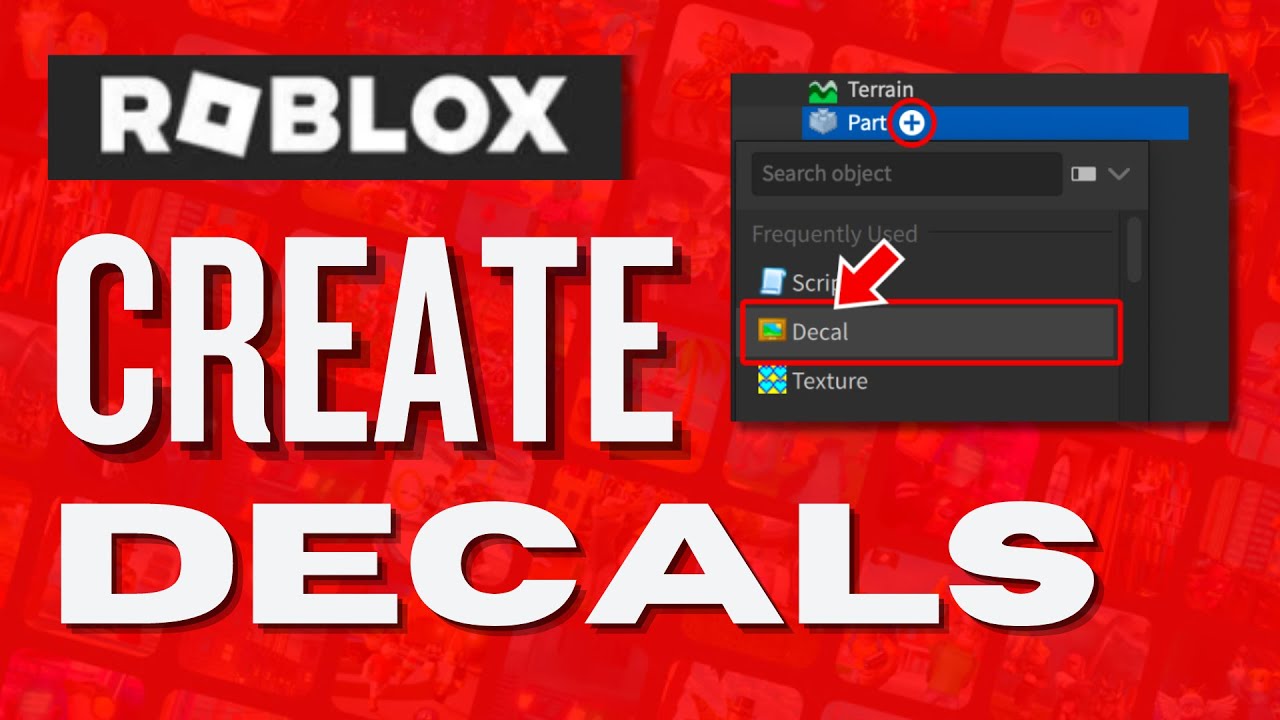
Applying a Splittertarn Decal in Roblox Studio is straightforward. First, select the part you wish to customize. In the 'Properties' window, locate the 'TextureID' property. Copy and paste the numerical ID of your chosen Splittertarn decal into this field. Ensure the 'Texture' property is set to 'Decal' or that you're directly manipulating a 'Decal' object inserted into the part. For intricate designs or wrapping around multiple surfaces, consider using the 'SurfaceAppearance' property for PBR textures, which offers more advanced material options. For more control over tiling and offset, you might need to use a 'Texture' object instead of directly applying to 'TextureID' on the part.
Can using multiple Splittertarn Decals affect my Roblox game's performance?
Yes, utilizing a high number of unique Splittertarn decals, especially high-resolution ones, can impact your Roblox game's performance, particularly on lower-end devices or mobile platforms. Each unique decal loads as a separate asset, increasing memory usage and potentially affecting frame rates. To optimize, try to reuse decal IDs where possible instead of uploading many slightly different ones. Consider reducing decal resolution if visual fidelity isn't critically compromised. Grouping parts with the same decal and using efficient rendering techniques can also help. Remember, a smooth gameplay experience often trump's extreme visual detail, especially for the 87% of US gamers who play regularly, many on mobile devices.
What are some creative ways to integrate Splittertarn Decals into different Roblox game genres?
Splittertarn Decals offer immense creative potential across Roblox genres. In military simulators, they're perfect for authentic uniforms, vehicle camouflage, and environmental details like bunkers or tents. For survival games, apply them to worn-out gear, makeshift shelters, or natural terrain for a rugged, post-apocalyptic feel. In role-playing games, use them for specific faction uniforms or historical settings. Even in building or obstacle courses, a subtle Splittertarn pattern can add an unexpected layer of detail to industrial structures or challenge elements. Experiment with transparency and color blending to achieve unique effects that complement your game's overall aesthetic.
Are there specific considerations for mobile players when using Splittertarn Decals?
For mobile players, optimization is key. While mobile gaming dominates, performance can vary widely. High-resolution Splittertarn decals can lead to longer load times and reduced frame rates on older or less powerful mobile devices. Developers should prioritize lower-resolution decal options or consider simplified patterns for mobile-optimized versions of their games. Test your game extensively on various mobile devices to ensure a consistent and enjoyable experience. Efficient asset streaming and careful management of decal instances will prevent frustrating lag, ensuring your game remains accessible and fun for the significant portion of the player base gaming on the go, which is a major trend this month.
How can I ensure my Splittertarn Decals look consistent across different Roblox lighting and graphical settings?
Ensuring consistent appearance requires testing and understanding Roblox's rendering pipeline. Decals can look different under varying 'Lighting' settings (Future, ShadowMap, Compatibility) and user-chosen 'Graphics Quality' levels. To maintain consistency, use decals with good contrast and avoid overly dark or light patterns that might wash out or become indistinguishable. Consider applying a 'Color3' tint to the part *under* the decal to help it blend. For critical assets, evaluate their look across different graphics settings during development. Utilizing 'SurfaceAppearance' with carefully crafted PBR textures can offer more control over how your Splittertarn patterns react to light, providing a more stable visual across diverse player setups.
Ever felt like your Roblox creations, whether a detailed military base or a custom avatar accessory, are missing that distinct flair? You spend hours building, refining, but sometimes the default textures just don't cut it. In a world where 87% of US gamers regularly play, many juggling jobs, families, and limited free time, making every gaming moment count is crucial. The last thing you want is a generic-looking build when you could have something truly unique and visually striking. This is where the Roblox Splittertarn decal comes in—a powerful tool for creators looking to infuse their projects with historical authenticity and standout style without adding complexity to their busy schedules. It's about optimizing your creative effort for maximum visual impact, ensuring your builds are not just functional but genuinely captivating. This guide will help you navigate the world of Roblox Splittertarn decals, offering practical solutions to common customization pain points and showing you how to achieve a polished, professional look that resonates with players who appreciate attention to detail and a touch of historical realism.
We understand that as a busy gamer, your time is valuable. You want to make smart choices, whether it's upgrading hardware on a budget or finding games that offer deep satisfaction in short bursts. Customizing your Roblox experience should be rewarding, not frustrating. This article cuts through the hype to give you actionable advice on integrating Splittertarn decals effectively. We’ll cover everything from finding the perfect decal ID to optimizing performance, ensuring your creations look fantastic and run smoothly across all devices, including the dominant mobile platform. Get ready to transform your builds from ordinary to extraordinary, mastering the art of the Roblox Splittertarn decal and making your mark in the vibrant Roblox universe.
What is a Roblox Splittertarn Decal and why is it popular?
A Roblox Splittertarn decal is a digital image asset that can be applied to parts and surfaces within Roblox Studio, specifically designed to replicate the distinctive German Splittertarn camouflage pattern. This historical pattern, characterized by its sharp geometric shapes and splintered appearance, offers a unique aesthetic that stands out from more common camouflage designs. Its popularity stems from several factors. For one, it provides an authentic look for military-themed games, allowing creators to accurately represent historical or fictional factions. Secondly, it adds a layer of visual complexity and detail to builds, making them appear more polished and immersive. In a platform driven by creativity, such specific and high-quality assets are highly valued, enabling builders to achieve a unique visual identity that captivates players and sets their games apart from the competition.
How do I find high-quality Splittertarn Decal IDs on Roblox?
Finding high-quality Splittertarn Decal IDs is essential for achieving a professional look. The primary method is to search directly within the Roblox Creator Marketplace. Use specific search terms like “Splittertarn,” “Splitter camo,” or “German camo decal.” When browsing, pay attention to the decal's upload date, the creator’s reputation, and any comments or reviews. Newer decals tend to have higher resolution. Many dedicated Roblox design communities, found on platforms like Discord or specialized fan wikis, often curate lists of reliable and high-quality decal IDs shared by experienced creators. Always test any decal ID in a private game or development environment before integrating it into your main project to ensure its quality and suitability, as some may not render as expected or might be low resolution.
What are the best practices for applying Splittertarn Decals to my Roblox builds?
Applying Splittertarn decals effectively involves more than just pasting an ID. First, select the part you wish to texture. In the 'Properties' window, locate the 'TextureID' field and input your chosen Splittertarn decal ID. For more complex surfaces or precise tiling, consider inserting a 'Decal' object directly onto the surface of the part, which offers properties like 'Face' to control placement. For advanced visual fidelity, especially with PBR textures, explore using 'SurfaceAppearance' to apply the decal as a texture map, allowing for normal, roughness, and metallic maps that interact realistically with light. Always consider the scale of your part; sometimes, adjusting the texture tiling or using a larger decal image ensures the pattern appears correctly without distortion. Experimentation is key to mastering the application.
Can Splittertarn Decals impact game performance, and how can I optimize them?
Yes, like any graphical asset, Splittertarn decals can impact game performance, especially if used extensively or if they are high-resolution. Each unique decal ID your game loads adds to memory usage and draw calls, potentially affecting frame rates, particularly on mobile devices or older PCs. To optimize, prioritize reusing the same decal IDs across multiple instances rather than uploading many slightly different versions. If visual fidelity allows, opt for lower-resolution decals. Grouping parts that share the same decal can also help with rendering efficiency. For larger environments, consider breaking down complex textures into smaller, repeatable seamless patterns. Regular testing on various devices, a critical step for the average gamer who balances life and gaming, ensures your game runs smoothly for the broadest audience, including the mobile-dominant segment of US gamers.
Where can I get inspiration for using Splittertarn Decals creatively in my games?
Inspiration for Splittertarn decals extends beyond traditional military applications. Explore historical references for authentic uniforms, vehicles, and fortifications. Look at modern art and graphic design to see how geometric patterns are used, potentially inspiring abstract or futuristic interpretations. Within Roblox, observe popular games that utilize detailed textures for environmental storytelling or unique character designs. Consider applying Splittertarn to worn-out industrial machinery for a post-apocalyptic vibe, or to urban structures for a grittier aesthetic. Even fantasy games can incorporate muted versions for ancient runes or mystical forest elements. Browsing community showcases on Discord, Twitter, and Roblox forums can also provide fresh ideas and demonstrate how other creators are pushing the boundaries of decal usage this month.
Are there any copyright or usage considerations for Splittertarn Decals?
When using Splittertarn decals, it's crucial to be aware of potential copyright and usage considerations. While the historical Splittertarn pattern itself is old enough to be in the public domain, specific *digital renderings* or *uploads* of that pattern on Roblox are subject to the creator's terms of use and Roblox's own content policies. Always prefer decals from reputable creators or those clearly marked as free to use. If you’re uploading your own Splittertarn decal, ensure you created the image yourself or sourced it from a public domain resource to avoid intellectual property infringements. Roblox has strict rules against copyrighted content, and violating these can lead to your assets being removed or even account penalties. When in doubt, it’s always safer to create your own unique interpretation of the pattern.
How do I stay updated with new Splittertarn Decal trends and releases?
Staying current with Splittertarn decal trends and releases is vital for any Roblox builder who wants to keep their creations fresh and engaging. The Roblox developer community is a great resource. Follow prominent Roblox creators and texture artists on social media platforms like Twitter, where they often announce new asset releases or share creative techniques. Join Roblox-focused Discord servers dedicated to building, design, or specific genres, as these are often hubs for sharing new decal IDs and discussing emerging trends. Regularly check the 'Recently Updated' or 'Most Popular' sections in the Roblox Creator Marketplace for new uploads. Participating in developer forums and watching tutorials from experienced builders will also keep you informed about the latest aesthetic movements and optimization strategies within the Roblox ecosystem this month.
What are common issues with Roblox Decals and how can I troubleshoot them?
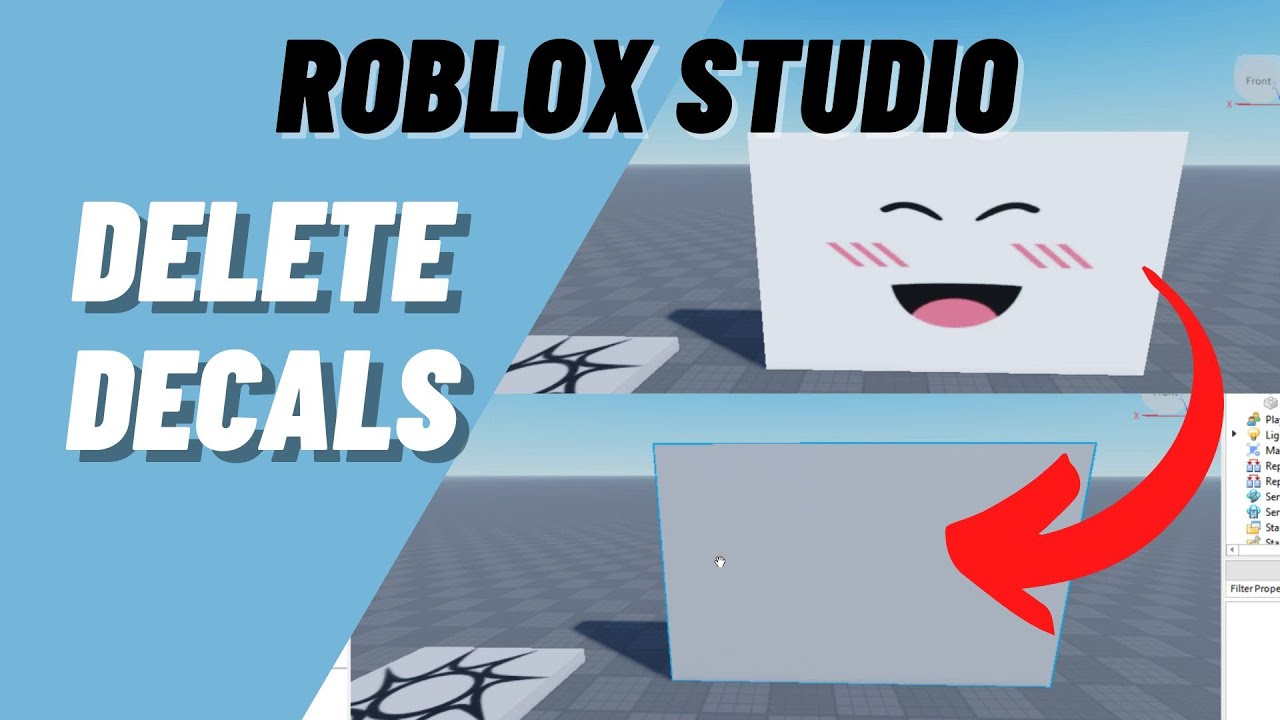
Common issues with Roblox decals include incorrect application, poor resolution, or loading failures. If a decal isn't appearing, first check that the 'TextureID' is correctly entered and that the part's 'Texture' property isn't overriding it. Ensure the decal object is properly parented to the part and that its 'Face' property is set correctly. For blurry or pixelated decals, the uploaded image might be low resolution, or the part it's applied to is too large for the decal's intended scale; try finding a higher-resolution version or adjusting the part's size. Loading errors can sometimes be resolved by clearing your Roblox cache or ensuring a stable internet connection. If the decal appears distorted, check the part's dimensions and ensure the decal's aspect ratio is suitable. Debugging often requires systematically checking each property and setting related to the decal and the part it's applied to.
How can Splittertarn Decals enhance social interaction and community engagement?
Splittertarn decals can significantly enhance social interaction and community engagement by providing shared visual languages and fostering a sense of belonging. In military role-playing games, unique Splittertarn patterns for different factions can create immediate visual identifiers, promoting team cohesion and friendly rivalries. Players often seek out custom items with specific decals to express their identity or allegiance within a game's community. This fosters discussion around customization, trading, and showcasing unique builds. When players see a well-crafted Splittertarn texture, it signals attention to detail, encouraging positive feedback and inspiring others to elevate their own creations. Social gaming thrives on customization and expression, and distinctive decals are a powerful way to facilitate that this month, making games more engaging for the 10+ hours a week US gamers typically spend.
How do I balance aesthetic customization with budget-friendly options on Roblox?
Balancing aesthetic customization with budget-friendly options is a common concern for many gamers, especially those managing real-world expenses. For Splittertarn decals, the good news is that many high-quality decals are available for free through the Creator Marketplace or community sharing. Focus on reusing decal IDs whenever possible rather than uploading numerous custom assets, which might incur Robux costs for uploads if you exceed free limits or if you're not a Premium subscriber. Prioritize decals for key elements of your build that players will interact with most, rather than applying high-detail textures to every single surface. Learn basic image editing to create your own variations from public domain Splittertarn patterns, giving you unique assets without buying them. Strategic, impactful use of free resources can yield stunning results without breaking the bank, a smart move for any savvy gamer.
Mastering Roblox Splittertarn decals empowers you to create visually rich and historically authentic experiences that resonate with a diverse player base. From finding the perfect ID to optimizing performance for mobile users, this guide has provided practical steps to elevate your builds. Remember, thoughtful customization not only enhances your game's appeal but also contributes to a more engaging social environment for players. What's your biggest gaming challenge when it comes to visual customization? Comment below and let's find solutions together!
Can I create my own Splittertarn decal?
Yes, you absolutely can create your own Splittertarn decal! You'll need an image editing software to design the pattern, then upload it to Roblox through the 'Create' section. Ensure your image is high-resolution and follows Roblox's content guidelines. Once uploaded, you'll receive a unique Decal ID.
Are Splittertarn decals free to use?
Many Splittertarn decals shared by the Roblox community on the Creator Marketplace are free to use. However, some creators might offer premium decals or require specific permissions. Always check the decal's description and the creator's terms. If you create your own, it's free for your personal use.
What's the difference between a decal and a texture in Roblox?
In Roblox, a 'Decal' is an image applied to a single face of a part, often for specific details like posters or signs. A 'Texture' is an image that tiles seamlessly across all faces of a part, primarily used for surface materials like wood, brick, or camouflage. You can use a Splittertarn image as either.
How do I report an inappropriate decal?
To report an inappropriate decal, navigate to the decal's page on the Roblox website. Look for a 'Report Abuse' or 'Report Item' button, usually represented by three dots or a flag icon. Click it, select the reason for your report, and submit. Roblox's moderation team will then review it.
Do Splittertarn decals work on all Roblox devices?
Yes, Splittertarn decals are designed to work across all Roblox-compatible devices, including PC, console, and mobile. However, high-resolution decals or excessive use can impact performance on lower-end devices, especially mobile phones, leading to slower loading times or reduced frame rates.
Authentic Splittertarn Decals Roblox Customization Performance Tips Community Trends Decal ID Management Creative Application In-Game Style Enhancement History of Splittertarn Visual Appeal for Builds Realistic Textures on Roblox Platform Mobile Gaming Compatibility Budget-Friendly Customization Social Gaming Integration
35
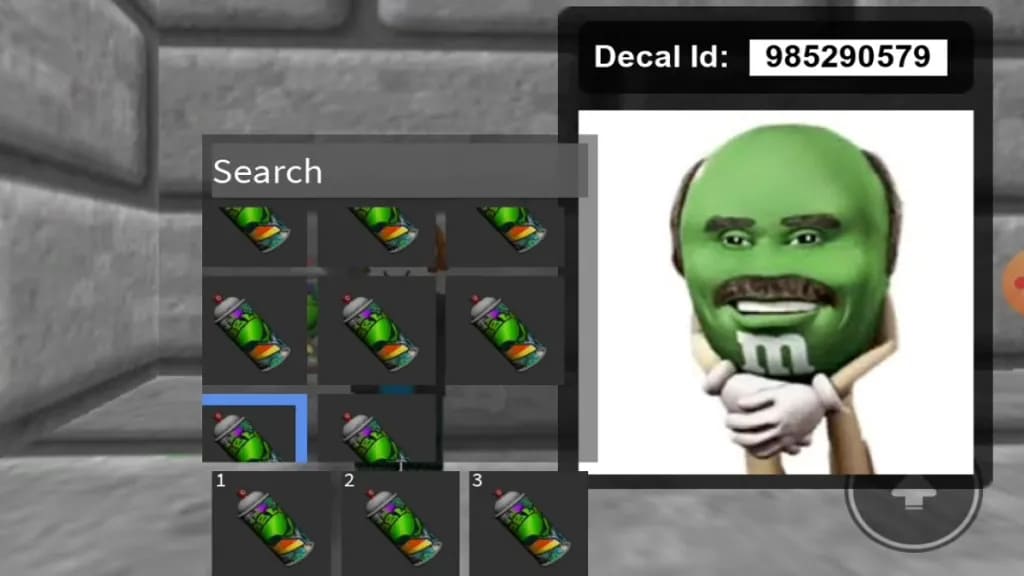


Definitive Guide To Roblox 2026 TM 07169 AU 19 60 Football Heaven TM 07169 Definitive Guide To Roblox 2026 . Roblox Decal L G C Ch T I V S D Ng Roblox Decal M I Nh T Roblox Decal 3 . Roblox Decal L G C Ch T I V S D Ng Roblox Decal M I Nh T Roblox Decal 5 . Roblox 2026 Logo Evolve YouTube Oardefault . What Are Roblox Ice Decals For 2026 Best Decal Ids Roblox


Roblox Annual 2026 Toys And EB Games Australia Large . Why Are Roblox NWA Decals So Popular . How To Message On Roblox 2026 A Quick Guide . Roblox 2026 Logo REVEALED New Color New Look YouTube Maxres2 . Combo Pack Combo Pack 1536x1143


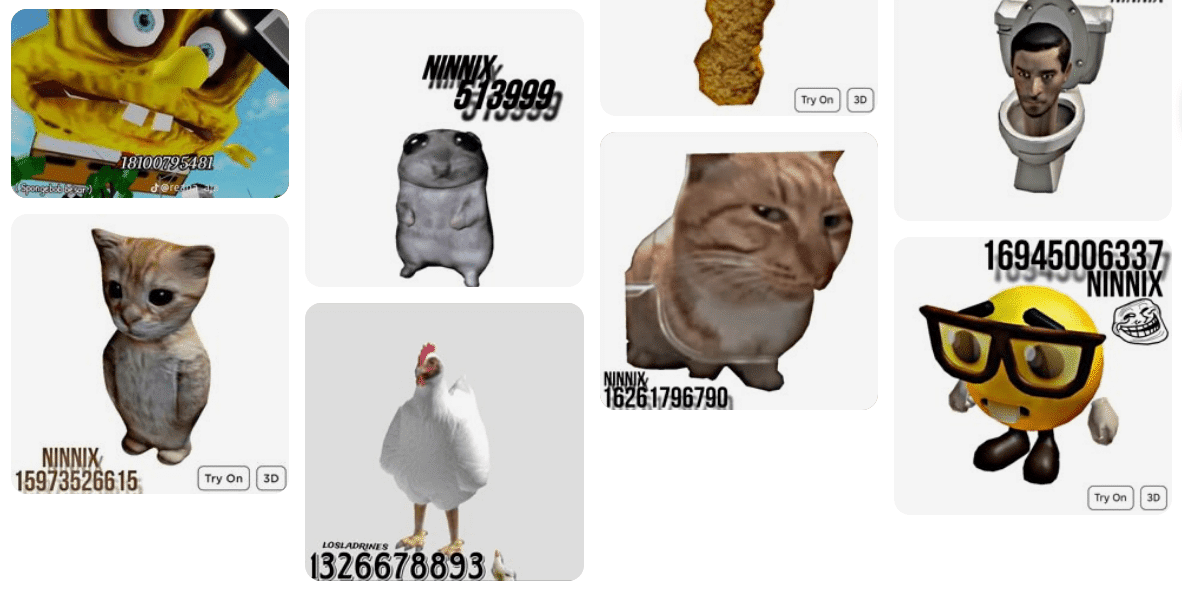


Unlocking Creativity What Are Roblox Texture Decals . What Are Roblox Ice Decals For 2026 . What Exactly Is A Roblox Decal And How Can You Use Them Id Decal Roblox Image . Roblox R6 Explained What Does It Really Mean Oar2 . Flipped Decals Fixing Roblox Studio Woes



Roblox DBZ Decals What Are They For 2026 Maxres2 . Roblox Decal L G C Ch T I V S D Ng Roblox Decal M I Nh T Roblox Decal . Unlocking Creativity What Are Roblox Texture Decals . A Mother Or Father S Information To Utilizing Roblox In 2026 Ivugangingo 2026 Parental Guide For Roblox Usage UnicMinds . 100 Najlepszych Naklejek Roblox Obraz W 2026 Word Image 276876 1



What Are Roblox Ice Decals For 2026 . RLCS 2026 Decals Tier List YouTube . Roblox En 2026 Juega En Roblox NoFilter. Unlocking Creativity What Are Roblox Texture Decals . 47 Roblox Decals Ideas In 2026 Pattern Decal Rh Design Royal High


How To Make DECALS In The Chosen One Roblox 2026 YouTube . Flipped Decals Fixing Roblox Studio Woes . Flipped Decals Fixing Roblox Studio Woes . A Roblox Movie 2026 Teaser Trailer Realtime YouTube Live View . Roblox At GDC 2026 Where To Find Us All Week Roblox



New Bypassed Decals Roblox Codes UPDATED February 2026 Qnnit Bypassed Decals Roblox Codes 2023 1024x640 . Roblox Texture Decals Pattern Decal Mermaid Decal Bloxburg Decals . How To Download Roblox On Any Device Easily In 2026 Moldura Calendario 2026 Roblox Game PNG 935x614 . Pin On Roblox Decals . Roblox Decal L G C Ch T I V S D Ng Roblox Decal M I Nh T Roblox Decal 13