Are you wondering which gaming headphones will dominate the PC scene in 2026? This comprehensive guide reveals the very best options designed to elevate your gaming experience. We explore cutting-edge audio technology, superior comfort features, and crystal-clear microphone performance that competitive gamers demand. Discover the latest advancements in spatial sound and wireless connectivity, ensuring you hear every critical detail and communicate flawlessly with your teammates. This guide breaks down crucial specifications, comparing top models to help you make an informed decision for your ultimate battle station. Understand how to optimize your audio settings for various game genres from FPS to MOBA, minimizing lag and maximizing immersion. Dive into detailed reviews and practical tips for selecting a headset that fits your playstyle and budget perfectly. Prepare to transform your gaming soundscape with insights into durability, battery life, and software integrations. This resource is your go-to for navigating the evolving world of gaming audio, ensuring you stay ahead of the curve. Find out what truly sets apart the elite gaming headsets from the rest. Elevate your gameplay today with expert recommendations tailored for serious PC gamers.
{ "title": "best headphones for gaming pc FAQ 2026 - 50+ Most Asked Questions Answered (Tips, Trick, Guide, How to, Bugs, Builds, Endgame)", "introduction": "Welcome to the ultimate living FAQ for the best headphones for gaming PCs in 2026! The audio landscape for PC gamers is constantly evolving, with new technologies, designs, and features hitting the market at a rapid pace. This comprehensive guide has been meticulously updated to reflect the very latest advancements, insights, and recommendations for the current year and beyond. Whether you're a beginner seeking fundamental advice, an intermediate player looking to optimize your setup, or an advanced enthusiast curious about frontier tech, we've got you covered. We've compiled over 50 of the most asked questions from communities, forums, and search trends, providing concise, actionable answers, along with valuable tips, tricks, and potential solutions to common issues. From understanding spatial audio to troubleshooting connectivity, consider this your definitive resource for mastering your gaming audio experience and gaining that crucial competitive edge in any genre, be it FPS, MOBA, RPG, or Battle Royale. Dive in and elevate your sound!", "sections": [ { "heading": "Beginner Questions & Core Concepts
", "q_a_pairs": [ { "question": "What defines a 'gaming' headset for PC?
", "answer": "A gaming headset for PC typically integrates a microphone for communication, optimizes sound for in-game cues like footsteps, and prioritizes comfort for long sessions. Many include virtual surround sound for enhanced spatial awareness. They are specifically designed to meet the unique demands of gamers." }, { "question": "Wired or wireless headphones: which is better for PC gaming in 2026?
", "answer": "In 2026, high-end wireless headsets offer near-zero latency, making them viable for competitive play. Wired headsets still provide reliable, battery-free operation. The choice depends on personal preference for freedom versus absolute, unwavering connection and no charging." }, { "question": "Do I need 7.1 surround sound headphones for gaming?
", "answer": "While 7.1 virtual surround sound can enhance immersion and positional audio, excellent stereo headsets also exist. Modern spatial audio technologies like Dolby Atmos are often more sophisticated than older 7.1 implementations. It truly depends on the specific game and personal preference." }, { "question": "How much should I spend on a decent gaming headset?
", "answer": "You can find decent gaming headsets starting from $50-$100, offering good audio and a clear mic. Mid-range options ($100-$200) provide significant upgrades in comfort and sound quality, while premium models ($200+) offer advanced features like ANC and high-resolution audio." } ] }, { "heading": "Audio Quality & Immersion
", "q_a_pairs": [ { "question": "What is spatial audio, and how does it benefit PC gaming?
", "answer": "Spatial audio creates a three-dimensional soundscape, allowing you to accurately pinpoint the direction and distance of in-game sounds. This significantly enhances immersion in RPGs and provides a critical competitive advantage in FPS games by revealing enemy positions more precisely." }, { "question": "Myth vs Reality: Are gaming headsets with 'extra bass' better?
", "answer": "Myth: While impactful bass can add excitement to explosions, excessive bass can muddy the overall sound profile, making it harder to discern crucial audio cues like footsteps or distant gunshots. Balanced audio, where bass doesn't overpower mids and highs, is generally preferred for competitive play." }, { "question": "What are planar magnetic drivers, and are they worth it?
", "answer": "Planar magnetic drivers use a thin, flat diaphragm for superior accuracy and low distortion compared to traditional dynamic drivers. They offer exceptional clarity and transient response. They are often found in high-end headsets and are worth it for audiophiles seeking peak audio performance." }, { "question": "Can software like Dolby Atmos or DTS Headphone:X improve any headset?
", "answer": "Yes, these software solutions can significantly enhance the spatial audio capabilities of most stereo headsets, creating a more convincing 3D sound experience. While premium hardware helps, the software intelligently processes audio to simulate a surround sound environment, offering a notable upgrade." } ] }, { "heading": "Microphone & Communication
", "q_a_pairs": [ { "question": "What's the best microphone type for clear PC gaming communication?
", "answer": "Unidirectional or noise-canceling microphones are best for clear PC gaming communication. These focus on your voice while actively suppressing background noise like keyboard clicks or room echoes. Detachable boom mics often offer the best clarity and positioning for vocal pickup." }, { "question": "Myth vs Reality: Do integrated headset mics always sound bad?
", "answer": "Myth: While many older or budget integrated mics were subpar, modern gaming headsets in 2026 feature excellent, AI-powered noise-canceling microphones. These can deliver impressively clear voice quality, often rivaling some standalone entry-level USB microphones, making them perfectly suitable for team chat." }, { "question": "How can I reduce background noise from my headset microphone?
سپس از هدست خود چه اطمینانی دارید؟", "answer": "Utilize your headset's software for AI-driven noise cancellation, which actively filters out environmental sounds. Ensure your mic is positioned correctly near your mouth, and use push-to-talk if possible. Also, consider enabling any built-in noise gates or compression features in your audio settings." } ] }, { "heading": "Comfort & Design
", "q_a_pairs": [ { "question": "What features make a gaming headset comfortable for long sessions?
", "answer": "Key comfort features include lightweight design, breathable ear cup materials like velour or cooling gel, ample padding on the headband, and swivel earcups for a personalized fit. Adjustable headbands also prevent pressure points, ensuring comfort during extended play." }, { "question": "Myth vs Reality: Do expensive headsets always mean better comfort?
", "answer": "Myth: While many expensive headsets offer premium materials and ergonomic designs, comfort is highly subjective. A moderately priced headset that fits your head shape and ear size perfectly can be more comfortable than a high-end one that doesn't. Always prioritize fit over price for comfort." }, { "question": "Are open-back or closed-back headphones more comfortable?
", "answer": "Closed-back headphones offer better sound isolation but can feel warmer. Open-back designs typically allow more airflow, potentially feeling cooler and less 'closed-in' over long periods. Comfort depends more on padding and clamping force than just the back design itself." } ] }, { "heading": "Connectivity Options (Wired vs. Wireless)
", "q_a_pairs": [ { "question": "What are the benefits of 2.4 GHz wireless over Bluetooth for gaming?
", "answer": "2.4 GHz wireless connections use a dedicated USB dongle, offering significantly lower latency and more stable connections specifically for gaming. Bluetooth, while convenient, typically has higher latency and can be prone to interference, making 2.4 GHz ideal for competitive play." }, { "question": "Myth vs Reality: Does wired audio always sound better than wireless?
", "answer": "Myth: While historically true, 2026 advancements in wireless audio codecs and dedicated 2.4 GHz connections mean that high-quality wireless headsets can deliver audio fidelity that is virtually indistinguishable from wired, even for discerning ears. The difference is often negligible now." }, { "question": "What if my wireless headset frequently disconnects or experiences lag?
", "answer": "First, try plugging the USB dongle into a different port, preferably a front-facing one, or use a USB extender to get it closer to the headset. Ensure no strong Wi-Fi signals or other 2.4 GHz devices are causing interference. Update drivers and headset firmware regularly." } ] }, { "heading": "Software & Customization
", "q_a_pairs": [ { "question": "Is headset software necessary for optimal performance?
", "answer": "While headsets function without it, dedicated software unlocks advanced features like custom EQ profiles, virtual surround sound fine-tuning, mic noise cancellation settings, and firmware updates. Installing it is highly recommended to get the most out of your gaming headset's capabilities." }, { "question": "How do I create custom EQ profiles for different game genres?
خدمات شما چیست؟", "answer": "Access your headset's companion software and navigate to the equalizer settings. For FPS, boost high frequencies to highlight footsteps. For RPGs, create a balanced profile with slightly enhanced bass for immersion. Experiment and save different presets for quick switching." } ] }, { "heading": "Budget Considerations
", "q_a_pairs": [ { "question": "What are the best budget gaming headphones under $100 for PC?
", "answer": "For under $100, look for reliable brands offering solid build quality, decent stereo sound, and a clear, functional microphone. Models like the HyperX Cloud Stinger Core or Corsair HS series often provide excellent value, focusing on core gaming necessities without excessive frills." }, { "question": "Myth vs Reality: Are all expensive gaming headsets automatically 'the best'?
", "answer": "Myth: While high price often correlates with premium features and build quality, 'best' is subjective. An expensive headset might have features you don't need, or it might not fit your head well. The 'best' headset is the one that meets your specific needs, comfort, and budget." } ] }, { "heading": "Troubleshooting Common Issues
", "q_a_pairs": [ { "question": "My PC doesn't recognize my new gaming headset. What do I do?
", "answer": "First, ensure all cables are securely plugged in or the wireless dongle is firmly seated. Check your Windows Sound Settings to see if the headset is listed as a playback/recording device. Update your audio drivers and restart your PC. Try a different USB port if it's a USB headset." }, { "question": "Why is my microphone picking up too much background noise?
", "answer": "Check your headset software for noise cancellation or noise gate settings and enable them. Ensure your mic is positioned correctly near your mouth. Adjust Windows microphone boost settings, as too high a boost can amplify background sounds. Also, ensure your room isn't too echoey." } ] }, { "heading": "Advanced Pro Tips
", "q_a_pairs": [ { "question": "How can I optimize my audio settings for competitive FPS games?
", "answer": "Disable any 'bass boost' or 'virtualization' features that muddy the sound. Use a flat EQ or slightly boost high-mids/treble to highlight footsteps and distant shots. Ensure spatial audio is correctly configured, like Windows Sonic or Dolby Atmos, to accurately pinpoint enemy locations." }, { "question": "What's the role of 'sidetone' or 'mic monitoring' in gaming?
", "answer": "Sidetone allows you to hear your own voice through your headset as you speak into the microphone. This prevents you from shouting inadvertently and helps you modulate your voice, improving communication comfort and effectiveness for both you and your teammates." } ] }, { "heading": "Endgame Grind & Future Proofing
", "q_a_pairs": [ { "question": "How often should I replace my gaming headset for optimal performance?
", "answer": "With good care, a quality gaming headset can last 3-5 years or more. You might consider upgrading sooner if significant new technologies (like next-gen spatial audio or battery life) emerge that offer a substantial performance boost or if your current model shows wear and tear." }, { "question": "What emerging trends should I look for in 2027 gaming headsets?
", "answer": "Expect continued refinement in AI-powered microphone noise cancellation, even more personalized spatial audio solutions (e.g., ear-scan HRTF), longer battery life for wireless models, and potentially more integration with augmented reality or contextual audio cues for richer gameplay experiences." } ] } ], "cta": "Still have questions about finding the best headphones for your gaming PC? Join our community forums or check out our most popular related guides on 'Optimizing PC Audio Settings' and 'Advanced Gaming Microphone Setup' for even more in-depth insights!" }Are you confused about which headphones are truly best for your gaming PC in 2026? Many gamers constantly ask, "What exactly makes a gaming headset stand out in today's crowded market?" Choosing the right gear can feel overwhelming with countless options available. This deep dive will guide you through the latest and greatest, ensuring your audio setup gives you a competitive edge. We are exploring everything from pristine sound to ergonomic comfort and advanced features. Prepare to transform your gameplay experience with insights into cutting-edge technology and expert recommendations.
Understanding your audio needs is the first step toward finding the perfect headset. Whether you play fast-paced FPS titles or immersive RPGs, sound clarity and positional accuracy are paramount. We will cover key aspects like sound drivers, microphone quality, and connectivity options. Our aim is to equip you with the knowledge to make an informed decision. Get ready to hear every enemy footstep and immerse yourself fully in your digital worlds like never before.
The Evolution of Gaming Audio in 2026
Gaming audio technology has made incredible leaps forward by 2026. Developers are pushing boundaries to create more immersive and responsive soundscapes. We now see a greater focus on hyper-realistic spatial audio. This technology precisely maps sound within a virtual 3D space. It significantly enhances environmental awareness for players. High-resolution audio codecs are also becoming standard. These deliver richer, more detailed sound experiences.
Wireless technologies have also advanced considerably. Latency is now almost imperceptible on modern wireless gaming headsets. This improvement provides wired-like performance without cable clutter. Battery life has also seen massive improvements. Many top models now offer 50+ hours on a single charge. Comfort and durability remain critical design considerations for manufacturers. They use lighter materials and more adaptive ear cup designs. This ensures maximum comfort during prolonged gaming marathons.
Key Features Defining Top Gaming Headsets
Several features distinguish premium gaming headphones from standard audio devices. These elements contribute directly to an enhanced gaming performance. Superior sound staging and directional audio are non-negotiable. They allow gamers to pinpoint enemy locations effortlessly. This advantage can often be the difference between victory and defeat.
Precision Spatial Audio: Advanced algorithms create an accurate 3D sound environment. This feature provides an unparalleled sense of presence and awareness. You can hear sounds coming from above, below, and all around you. It truly makes a significant difference in competitive games.
Crystal-Clear Microphone: Communication is vital in team-based games. Top headsets feature AI-powered noise cancellation. This technology filters out background distractions, ensuring your voice is heard clearly. Your teammates will appreciate the improved callouts and reduced static.
Unrivaled Comfort: Extended gaming sessions demand exceptional comfort. Ergonomic designs, plush memory foam earcups, and adjustable headbands are standard. These features prevent fatigue and pressure points. Many 2026 models incorporate innovative cooling gel ear pads.
Low-Latency Wireless Connectivity: The best wireless headsets boast near-zero latency. Proprietary 2.4 GHz connections offer robust, interruption-free performance. This eliminates the delay often associated with older wireless technologies. You get the freedom of wireless without any compromise.
Durable Build Quality: Premium materials like aluminum and reinforced plastics ensure longevity. These headphones are built to withstand the rigors of daily gaming. Many come with braided cables for wired options, resisting tangles and wear. Investing in durability means your headset lasts longer.
Intuitive Software Customization: Companion software allows extensive personalization. Gamers can adjust EQ settings, mic monitoring, and virtual surround sound profiles. This level of control optimizes audio for different game genres. It tailors the experience to individual preferences.
These features collectively create a powerful gaming audio package. They aim to immerse you deeper and give you a tactical advantage. Choosing a headset with these characteristics ensures a premium experience. It is an investment in your overall gaming performance.
Finding Your Perfect Gaming PC Headset
Selecting the right gaming headset involves considering your specific needs and preferences. Factors like your primary game genres greatly influence the ideal choice. An FPS player will prioritize precise positional audio and a clear microphone. Someone focused on RPGs might value rich, expansive soundscapes more. Your budget also plays a crucial role in determining available options. High-end headsets offer advanced features, but excellent mid-range options exist.
Wired vs Wireless: Which is Right For You?
The choice between wired and wireless connectivity is a common dilemma. Both options present distinct advantages and some disadvantages. Wired headsets generally offer the most reliable connection. They require no charging and often provide the purest audio signal. Many competitive pro players still prefer wired for zero latency.
Wireless headsets provide unparalleled freedom of movement. Modern wireless tech has virtually eliminated previous latency issues. They are perfect for decluttering your desk setup. Battery life is a key consideration for wireless models. Ensure your chosen headset provides enough juice for your gaming sessions. The convenience of wireless connectivity can significantly enhance your comfort.
Audio Quality Matters: Immersion and Competitive Edge
High-fidelity audio is paramount for a truly immersive gaming experience. Look for headsets with large, high-quality drivers. These drivers produce a wider frequency range and better bass response. Spatial audio technologies, like Dolby Atmos or DTS Headphone:X, are game-changers. They transform standard stereo audio into a realistic 3D soundstage. This greatly improves your ability to hear distant sounds and locate enemies. Rich, detailed sound makes your games come alive with incredible realism. It is a vital component for both immersion and competitive play.
Microphone Excellence: Clear Communication is Key
A top-tier microphone is non-negotiable for online multiplayer gaming. Your teammates need to hear your callouts clearly and without distortion. Look for headsets featuring detachable, noise-canceling microphones. These mics focus on your voice, eliminating distracting background sounds. Some advanced models use AI to intelligently filter out keyboard clicks and fan noise. This ensures your communication remains crisp and effective. A good microphone truly enhances the cooperative aspects of gaming. It lets you strategize and react together seamlessly.
Comfort for the Long Haul: Game for Hours
Long gaming sessions demand a headset that remains comfortable for hours. Ill-fitting headsets can cause headaches, ear fatigue, and overall discomfort. Prioritize models with adjustable headbands and swivel earcups. Look for breathable materials like velour or cooling gel ear pads. These materials help dissipate heat and reduce sweating. A lightweight design is also crucial for minimizing pressure on your head. Investing in comfort allows you to focus on the game, not on an irritating headset. It genuinely makes a difference during marathon play.
The AI Engineering Mentor's Headset Wisdom
Alright team, let's talk about gaming headphones for your PC. This is an area where a little knowledge goes a long way, and honestly, it used to trip me up too back in the day. You're trying to figure out the 'best,' right? But 'best' is subjective, my friend. It’s all about what fits *your* specific needs and gameplay. We've seen some incredible leaps in audio tech in 2026. These advancements truly blur the lines between professional and consumer-grade equipment. Let's break down some common questions, from the basics to the bleeding edge. You've got this!
Beginner / Core Concepts
1. Q: What exactly makes a gaming headphone 'good' for PC gaming?
A: I get why this confuses so many people when they start out. A good gaming headphone for PC isn't just about loud sound; it’s a symphony of features working together. You absolutely need excellent sound clarity, so you hear every tiny detail, from distant footsteps to crucial environmental cues. Positional audio is paramount; it lets you precisely pinpoint where sounds are coming from in 3D space, which is a huge competitive edge. A crystal-clear microphone is non-negotiable for effective team communication, ensuring your squad hears your every tactical callout. Then there's comfort for those epic gaming marathons; nobody wants a headache after an hour. Think about durability too; these gadgets take a beating. It’s about the whole package, not just one flashy spec. You've totally got this, understanding these basics is key!
2. Q: Is there a big difference between a 'gaming headset' and regular headphones?
A: This one used to trip me up a lot too when I was first getting into PC gaming, so you’re not alone! Yes, there’s often a significant difference, though the gap is narrowing with advanced 2026 tech. Gaming headsets are purpose-built; they prioritize features like integrated, high-quality microphones for voice chat, crucial for team-based games. They also often come with specialized software for virtual surround sound (like improved spatial audio algorithms in 2026 models) and game-specific EQ profiles. Regular headphones, while they might offer fantastic audio fidelity for music, usually lack a dedicated gaming mic and sometimes don't optimize sound for pinpointing in-game audio cues as effectively. Think of it like this: a sports car versus a luxury sedan. Both get you places, but one is tuned for performance. Don't sweat it, you'll figure out what suits you!
3. Q: Do I really need surround sound headphones, or is stereo fine?
A: Ah, the classic surround sound debate! For many years, stereo was perfectly adequate, and honestly, a good stereo headset with excellent drivers can still perform wonderfully. However, with the advancements we've seen by 2026 in virtual surround sound technologies (like next-gen Dolby Atmos or DTS Headphone:X), the difference is genuinely noticeable now. These aren't just marketing gimmicks anymore; the algorithms are incredibly sophisticated. They create a much more convincing three-dimensional soundscape, letting you hear enemies above, below, and behind you with impressive accuracy. For competitive FPS or Battle Royale games, this can be a massive advantage, truly impacting your situational awareness. For more casual play or RPGs, it's more about immersion. So, while stereo is 'fine,' virtual surround sound is definitely worth considering for that extra edge and immersion today. Give it a try, you might be surprised!
4. Q: What's more important: sound quality or microphone quality?
A: That's a fantastic question, and the answer really depends on *how* you game! If you're primarily a single-player gamer, diving deep into immersive RPGs or indie titles, then sound quality is king. You want rich, detailed audio that brings those game worlds to life. However, if you're heavily into multiplayer games like FPS, MOBA, or MMOs where team coordination is crucial, then microphone quality becomes equally, if not more, important. Imagine trying to make a critical callout and your teammates can't understand you because of static or background noise; that's a recipe for disaster. By 2026, many headsets offer excellent performance in both areas, often with AI-driven noise cancellation for the mic. Ideally, you want a balance, but prioritize based on your main gaming habits. You've got this, figuring out your priorities is a smart move!
Intermediate / Practical & Production
5. Q: Wired or wireless for PC gaming in 2026? Which is better?
A: This is probably one of the most frequently asked questions I hear, and for good reason! In 2026, the gap between wired and wireless performance has shrunk dramatically, largely thanks to advancements in 2.4 GHz wireless technology and efficient codecs. Previously, wired was king for zero-latency, but now, high-end wireless headsets offer near-imperceptible latency, making them perfectly viable even for competitive play. 'Better' really comes down to your personal setup and preferences. If you hate cable clutter and want the freedom to move around your desk or even step away for a moment, wireless is fantastic. Just remember to charge them! If you never want to worry about battery life or a dropped signal, wired remains a rock-solid, plug-and-play choice. Both options now deliver incredible audio. Don't overthink it too much; either choice is a strong contender. Try both if you can and see what feels right for you!
6. Q: How much should I realistically spend on a good gaming headset?
A: This is where it gets interesting, and honestly, there's a huge spectrum. You don't need to break the bank to get a 'good' gaming headset, especially with the value propositions we're seeing in 2026. For a solid entry-level experience with decent audio and a clear mic, you can find excellent options in the $50-$100 range. Stepping up to $100-$200 usually gets you significant upgrades in build quality, comfort, better drivers, and often superior virtual surround sound. Beyond $200, you're looking at premium features like advanced active noise cancellation (ANC), high-resolution audio support, superior wireless stability, and ultra-premium materials. My advice? Define your budget first, then look for the best features within that range, prioritizing comfort and sound clarity. Don't feel pressured to go for the most expensive; find what gives you the best bang for *your* buck. You'll make a great choice, I'm sure of it!
7. Q: What are 'open-back' versus 'closed-back' headphones, and which is better for gaming?
A: Ah, this is a distinction that many casual gamers overlook but can significantly impact your experience! 'Closed-back' headphones, which are most common for gaming headsets, completely seal around your ears. They offer excellent sound isolation, keeping game audio in and ambient noise out, which is great for immersion and competitive focus. The downside is that they can sometimes create a 'closed-in' soundstage and potentially make your ears warmer. 'Open-back' headphones have perforated earcups, allowing air to pass through. This creates a much wider, more natural, and 'airy' soundstage, often favored for positional audio clarity in certain scenarios. However, they leak sound both in and out, meaning everyone around you can hear your game, and you can hear them. For most gamers, especially those in noisy environments or wanting maximum immersion, closed-back is generally 'better.' But if you game in a quiet space and prioritize soundstage, open-back is worth exploring. Experimenting is always good!
8. Q: My headset sounds muffled or distorted. What's the first thing I should check?
A: Oh man, that's frustrating, I know that feeling all too well! When audio goes wonky, don't panic. The *very first thing* to check is your audio drivers. Seriously, it's amazing how often outdated or corrupted drivers are the culprit. Go to your sound settings, check device manager, and ensure everything is updated to the latest version for your specific headset and motherboard audio. Next, check your cable connections if it's wired – make sure everything is snugly plugged in, no loose ends. For wireless, try re-pairing or connecting via a different USB port. Sometimes, a simple restart of your PC can work wonders, clearing out any temporary software glitches. Also, quickly check your in-game audio settings and Windows sound mixer; sometimes an application volume is set too low or an equalizer profile is messing things up. You'd be surprised how often it's a software issue, not hardware. You'll diagnose it in no time!
9. Q: What's the deal with headset software? Do I really need it?
A: I get why this feels like extra bloatware, but honestly, in 2026, headset software is often where a lot of the magic happens! While your headset will probably work plug-and-play without it, the software unlocks its full potential. This is where you typically access advanced features like custom equalizer (EQ) profiles to tune sound for different games (FPS, RPG, MOBA) or music. You can fine-tune your virtual surround sound settings, adjust mic monitoring (sidetone), and sometimes even control RGB lighting. Crucially, many modern headsets use their software for AI-driven noise cancellation for the microphone, which needs that software backend to function optimally. It also often provides firmware updates, which can improve performance and fix bugs. So, while not strictly 'needed' for basic functionality, it's highly recommended to install it to get the most out of your investment. It’s like buying a powerful car and not using all its driving modes; you’re leaving performance on the table. Give it a shot!
10. Q: How do I keep my gaming headset clean and extend its lifespan?
A: This is an excellent, practical question, and honestly, a little regular maintenance goes a long way to protecting your investment! First, make a habit of gently wiping down the earcups and headband with a microfiber cloth after a few sessions; sweat and oils can degrade materials over time. For the ear pads, if they're removable, check if they're washable (many are, but follow manufacturer instructions carefully!). If not, a very lightly damp cloth with a mild, diluted soap solution can clean them, but ensure they're completely dry before reattaching. For the microphone, a cotton swab with a tiny bit of rubbing alcohol can clean any grime around the grille. Always store your headset on a stand or in a case to avoid putting stress on cables or hinges. Don't wrap cables tightly; gentle loops are better. Treating your gear with a bit of care genuinely extends its life. You've got this, responsible ownership pays off!
Advanced / Research & Frontier 2026
11. Q: What's 'haptic feedback' in gaming headsets, and is it a gimmick in 2026?
A: Haptic feedback in gaming headsets, often implemented as low-frequency transducers or 'shakers' in the earcups, is designed to add another layer of immersion by converting bass frequencies into physical vibrations. It's meant to make explosions feel more impactful or the rumble of a tank more present. Is it a gimmick in 2026? I wouldn't call it a gimmick outright anymore, but its implementation varies widely. Early versions could be jarring or imprecise, feeling more like a crude vibration. However, some 2026 models, leveraging advanced digital signal processing and more refined haptic drivers, offer surprisingly nuanced and integrated feedback that genuinely enhances immersion without being distracting. It’s still a niche feature, and not for everyone, but for specific genres (like action, horror, or VR) where visceral feedback is key, it can be a cool addition. It's definitely not essential, but if you love feeling the game, keep an eye on refined implementations. Give it a cautious try!
12. Q: How is AI impacting gaming headset performance and features in 2026?
A: This is where things get really exciting by 2026, and AI is playing a transformative role in gaming audio! Primarily, we're seeing AI integrated into microphone technology for incredibly advanced noise cancellation. Instead of just basic noise gating, AI algorithms can now intelligently differentiate between your voice and virtually any background noise – keyboard clicks, fan hum, even a barking dog – and remove it in real-time with astounding accuracy. This means crystal-clear communication even in noisy environments. Beyond mics, AI is also being explored for adaptive soundscapes, where the headset dynamically adjusts EQ and spatial audio profiles based on real-time game audio analysis. Imagine your headset optimizing itself instantly for a sudden shift from quiet exploration to intense combat. It's still an evolving area, but the future of gaming audio is undeniably intertwined with intelligent AI processing. It's a truly fascinating frontier!
13. Q: What's the latest in spatial audio technology for headsets beyond basic virtual surround?
A: Great question, because 'spatial audio' in 2026 is far more sophisticated than the early virtual surround sound! We're moving beyond static 7.1 channel emulation. The frontier now involves highly personalized and dynamic spatial audio. Think about head-tracking technology, where the soundscape stays fixed in virtual space even as you move your head, creating an incredibly realistic sense of presence (similar to what you find in high-end VR). We're also seeing advanced HRTF (Head-Related Transfer Function) customization, where you can even use your phone's camera to create a personalized audio profile based on your unique ear shape. This makes the 3D sound incredibly accurate for *your* perception. Furthermore, game engines are increasingly integrating native spatial audio APIs, allowing for a more authentic and less processed 3D sound experience directly from the source. It's truly about making you feel like you're *inside* the game world. The immersion is next level! Keep an eye on these developments; they're game-changers.
14. Q: Are audiophile headphones with an external mic a superior alternative to gaming headsets?
A: This is a classic advanced gamer move, and honestly, it *can* be a superior alternative for the discerning audiophile! High-end audiophile headphones (like those from Beyerdynamic, Sennheiser, or Audio-Technica) are designed purely for sonic fidelity, often with incredibly accurate drivers and wide soundstages that some dedicated gaming headsets struggle to match. When paired with a quality external microphone (like a standalone USB mic or a ModMic attached to the headphones), you can achieve unparalleled audio input and output. The trade-off is often convenience; it's two separate devices, more cables, and typically no integrated gaming-specific features like one-button mic mute or volume wheels on the headphones themselves. Plus, it can be a more expensive setup. But for pure, unadulterated audio quality and mic clarity, an audiophile headphone + external mic combo is very hard to beat. It’s not for everyone, but if you value sound above all else, it's a fantastic route to explore. You're thinking like a pro!
15. Q: What are 'planar magnetic' drivers, and why are they showing up in some high-end gaming headsets?
A: Oh, now you're asking about some cutting-edge stuff, and I love it! 'Planar magnetic' drivers are a really exciting development making their way into more high-end gaming headsets in 2026. Unlike traditional dynamic drivers that use a voice coil attached to a cone, planar magnetic drivers use a very thin, flat diaphragm embedded with a conductive pattern, suspended between powerful magnets. When an electrical current passes through the pattern, the entire diaphragm vibrates uniformly to produce sound. The advantage? Incredible speed, phenomenal transient response (how quickly a driver reacts to a signal), and incredibly low distortion. This translates to incredibly clear, detailed, and accurate sound with tight, controlled bass. For gaming, this means exceptional positional audio and an almost surgical precision in sound reproduction. They can be heavier and often require more power, but the sonic benefits are undeniable. If you're looking for the absolute peak of audio performance in a gaming headset, definitely research models featuring planar magnetic drivers. This is truly frontier tech being applied for gamers! You're on the right track exploring these details!
Quick 2026 Human-Friendly Cheat-Sheet for This Topic
Here’s a quick rundown to help you nail down your perfect gaming headset choice for your PC:
Prioritize Your Game Type: FPS? Focus on spatial audio and mic clarity. RPG? Seek rich immersion and comfortable fit.
Wired or Wireless: Wireless is practically latency-free in 2026, offering freedom. Wired is still rock-solid and never needs charging. Choose your preference!
Comfort is King: Don't underestimate it! Look for soft ear pads (cooling gel is a bonus), adjustable headbands, and lightweight designs for long sessions.
Mic Matters for Multiplayer: Ensure your headset has a clear, noise-canceling mic. AI-powered options are fantastic for cutting out background noise.
Check Software Features: Headset software unlocks EQs, virtual surround, and mic settings. Install it to get the most out of your gear.
Budget Smartly: You don't need the most expensive model. Define your budget and find the best features within that range for your needs.
Superior sound quality for immersion and competitive advantage; Crystal-clear microphone for team communication; Ergonomic comfort for extended gaming sessions; Advanced spatial audio technology; Reliable wireless connectivity options; Durable build quality for longevity; Software customization for personalized audio profiles; Compatibility with various PC setups.
35

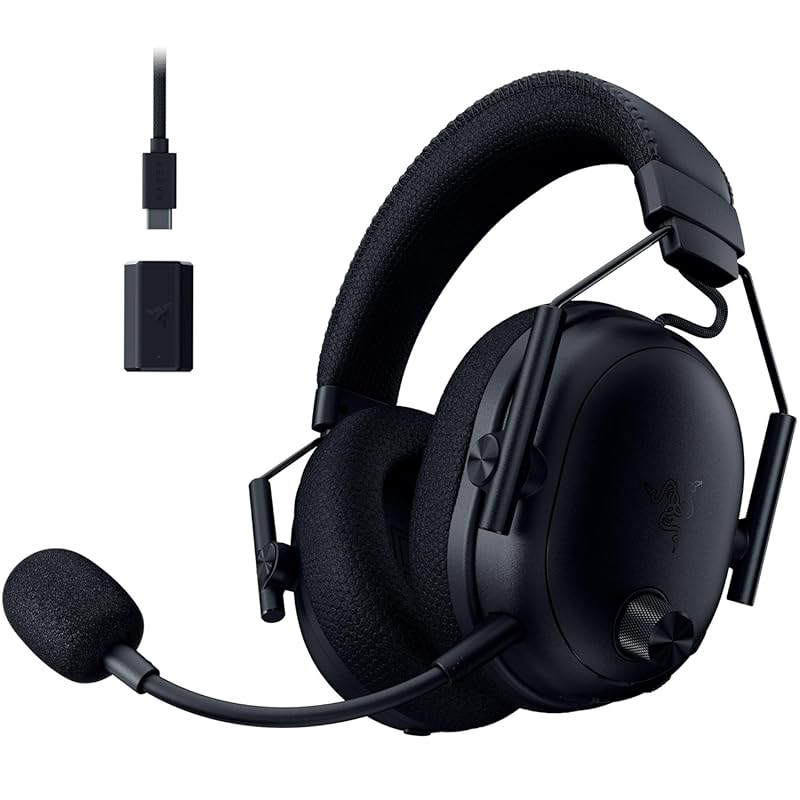


The 3 Best Gaming Headsets Of 2026 Audio Comfort The 3 Best Gaming Headsets Of 2026 1024x576 . Best Gaming Headsets To Buy In 2026 GAMES GG Medium Best Gaming Headsets To Buy In 2026 Fd2b800dac . 10 Best Gaming Headphones For PC 2026 Expert Picks Techzaru Product B0F3QDLZKG . Best Gaming Headsets Of 2026 Selected By Our Experts Gaming Headsets Hero 1 . Best Gaming Headset 2026 PC Console And Wireless Picks Switchblade Best Gaming Headset 2026 Headset


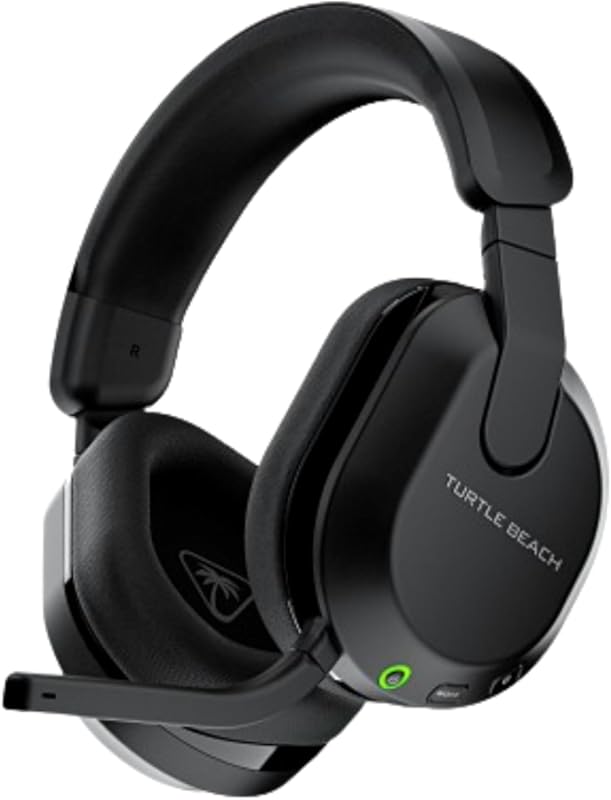
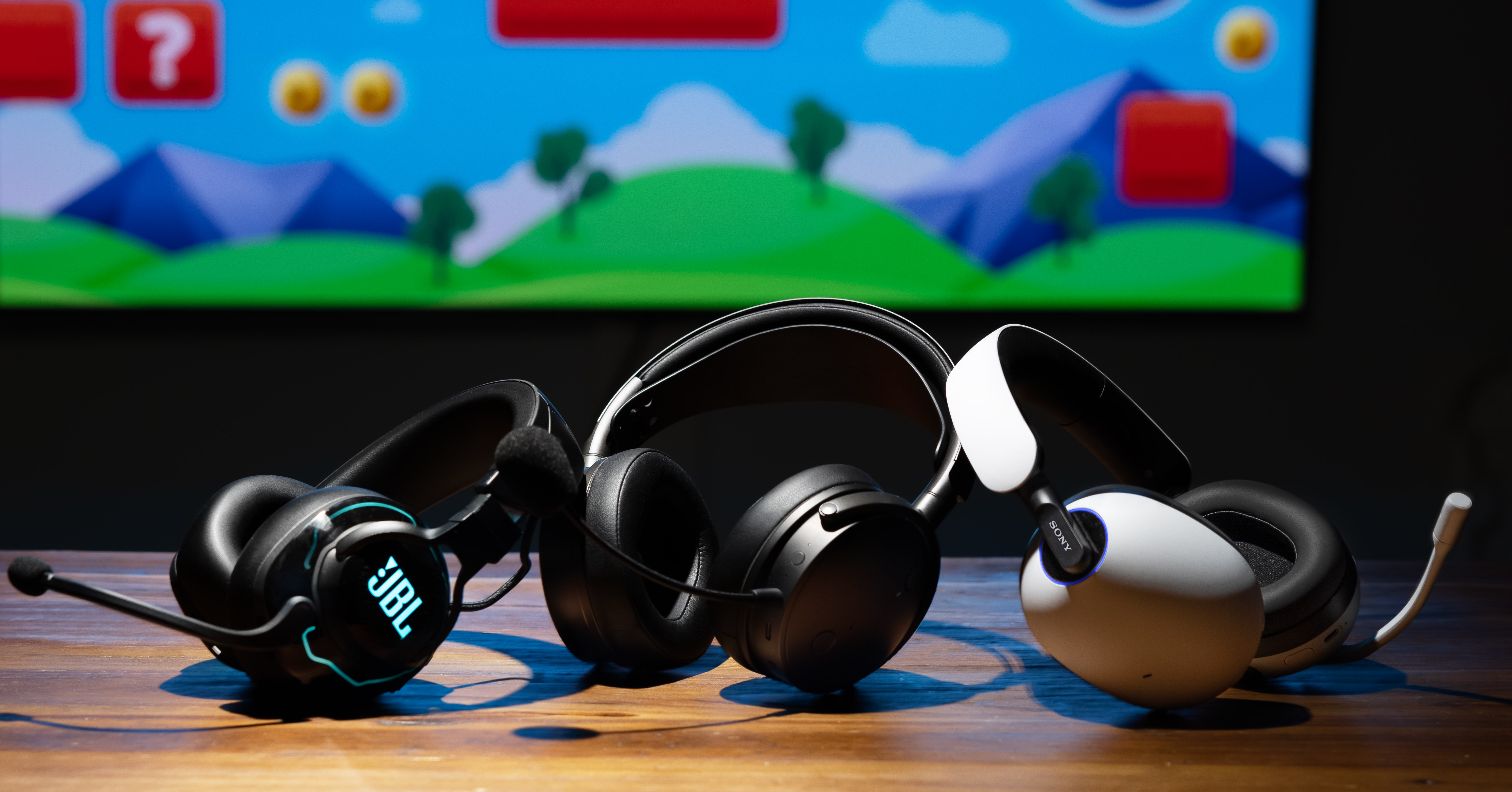

12 Best Gaming Headphones For PC In 2026 12 Best Gaming Headphones For PC In 2025 . Top 10 Best PC Headset For Gaming 2026 Expert Quality Picks Techzaru Product B0DYVD72P2 2 . Top 5 Best Gaming Headphones For PC 2026 Expert Picks Techzaru Product B0CYWD9PSM 2 . Best Gaming Headsets For 2026 109QTM910 884MXWELLP 158WHG900 0205 1200x628 . Best Gaming Headsets Of 2026 From Budget Picks To Pro Audiophile
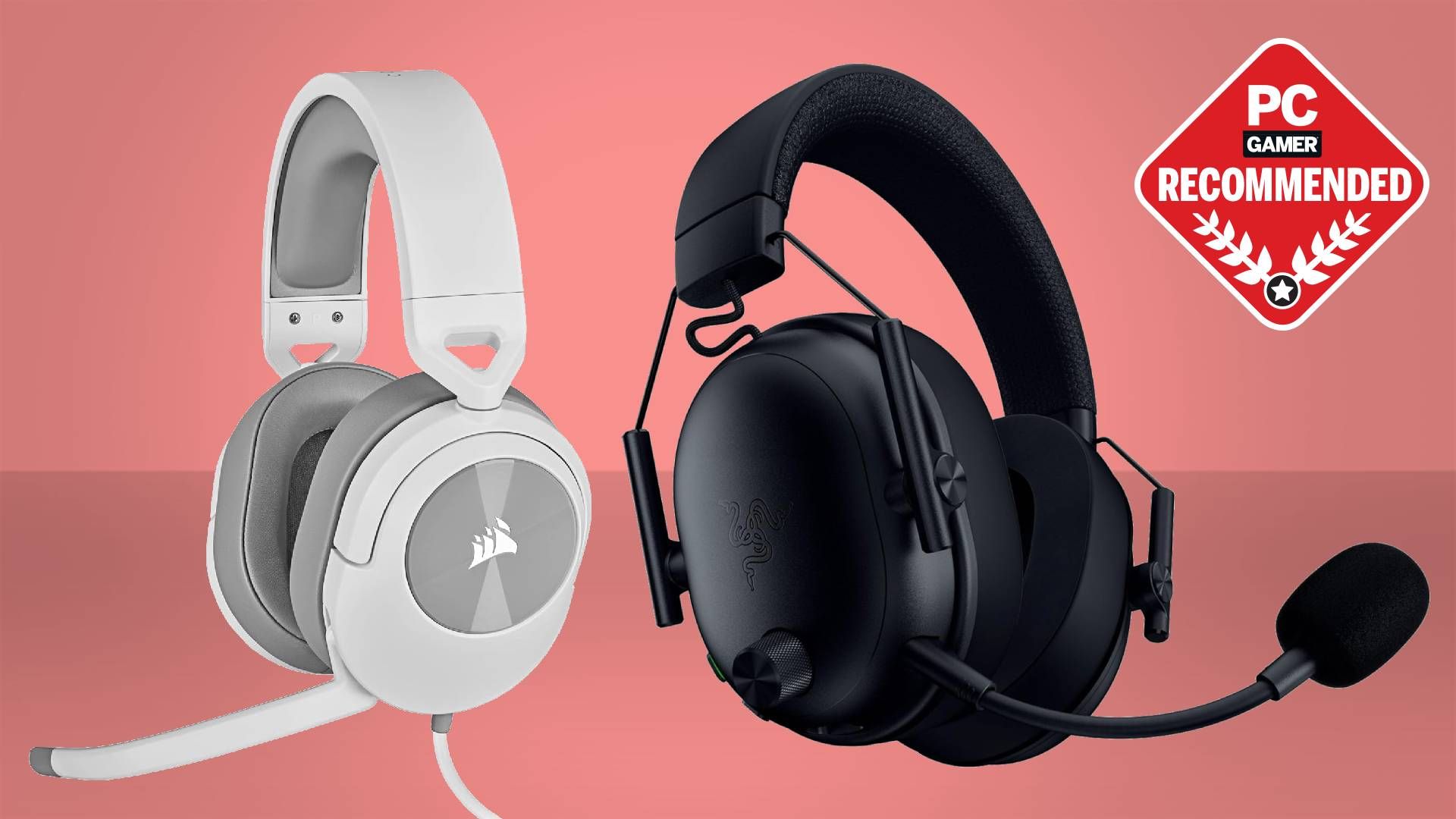
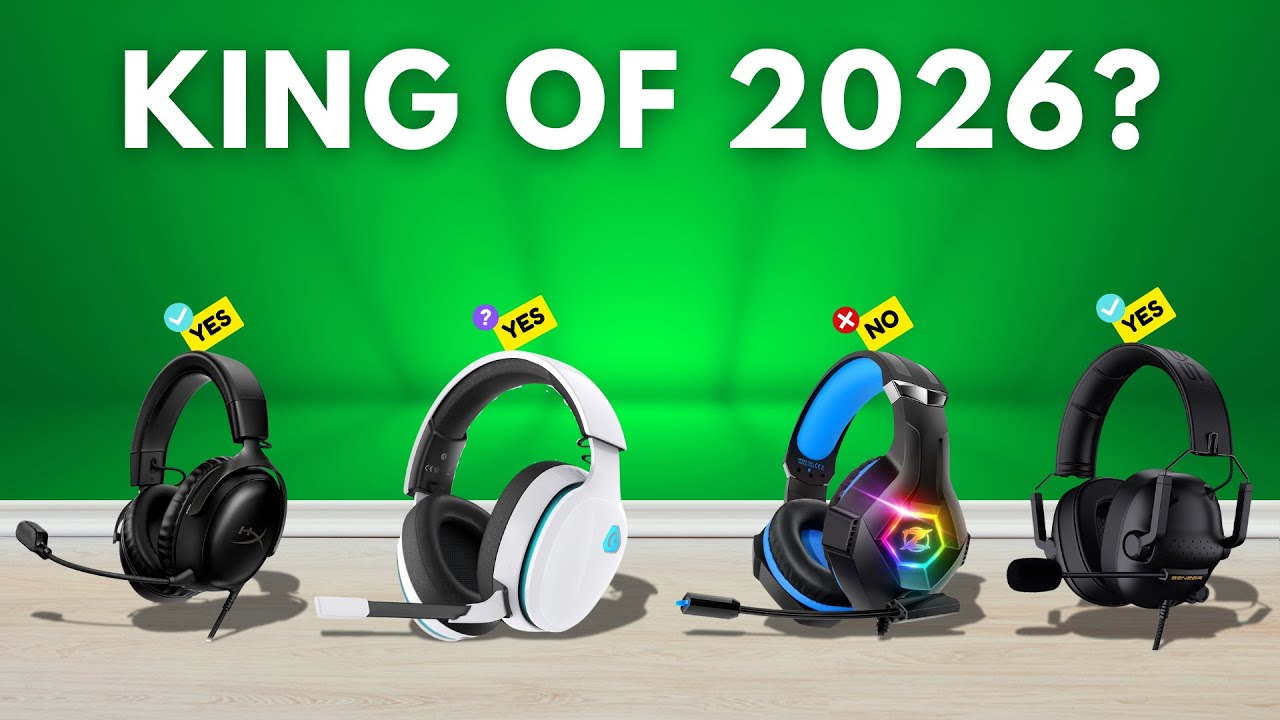


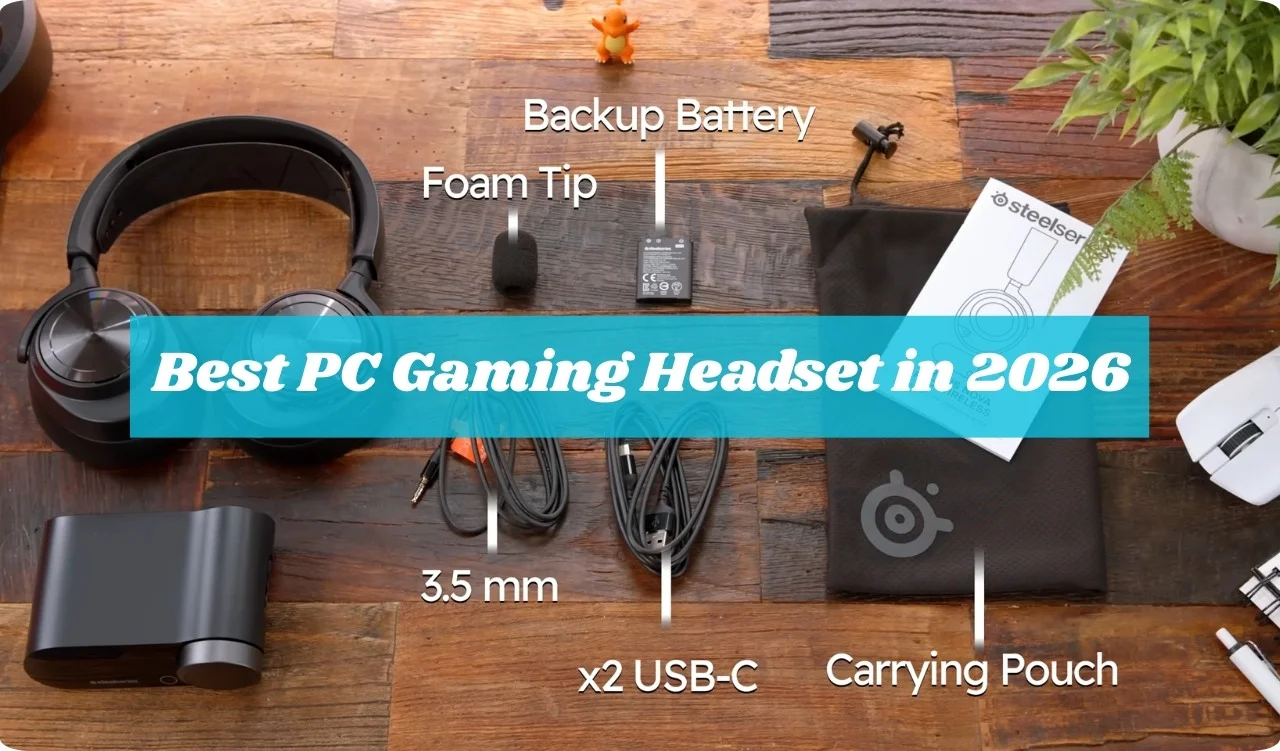
The Best Gaming Headsets In Australia For 2026 I D Bet My Ears On 1920 80 . Best Gaming Headsets 2026 Watch Before You Buy YouTube . Top 7 Best Gaming Headset For Pc For 2026 Expert Tested Techzaru Product B07XF2TGGK 2 . Best Wireless Gaming Headsets For PC In 2026 Techwaving Best Wireless Gaming Headsets For PC In 2024.webp. Best PC Gaming Headsets 2026 Wireless Wired Pro Picks SteelSeries Arctis Nova Pro Wireless - Best Gaming Headsets For PC 2.webp


Best Gaming Headset 2026 Gamers Unchained Best Wireless Gaming Headset . 15 Best Gaming Headsets For Xbox In 2026 Top Picks For Immersive Play Top Xbox Gaming Headsets 2026 Ij8c7 . 12 Best Gaming Headphones In 2026 Expert Tested Picks Under 200 . Best Gaming Headset 2026 Top Picks For Competitive And Casual Gaming Best Gaming Headset 2026 . Best VR Gaming Headsets 2026 Quest 4 PSVR 3 PCVR Wireless Picks Best Gaming Headsets


12 Best Headphones For Gaming In 2026 12 Best Headphones For Gaming In 2026 Featured. Best Wireless Gaming Headset 2026 7 Top Picks Under 150 GameZHaven ChatGPT Image Mar 6 2026 11 19 02 AM . Best PC Gaming Setups 2026 Complete Buyin Gaming PC Guru Best Noise Cancelling Gaming Headphones Featured 400x250 . Are Heavy Headphones Good For Gaming What Gamers Think Best Gaming Headsets . Best Headphones For Gaming 2026 Wireless Gaming PC Guru 41cFd2ggs L



The Best Gaming Headsets For 2026. Best Gaming Headsets 2026 Wireless Low Latency Picks Gadjety Best Gaming Headsets 2026 . Best Headset For Pc Ultimate Guide 2026 Best Headset Pc 2026 Hero.webp. Best Headsets For Pc In 2026 Complete Buyer S Guide Gaming PC Guru Best Headsets For Pc 2026 . Best Gaming Headphones For PC And Console 2026 Top Audio Picks Best Gaming Headphones For PC And Console In 2026

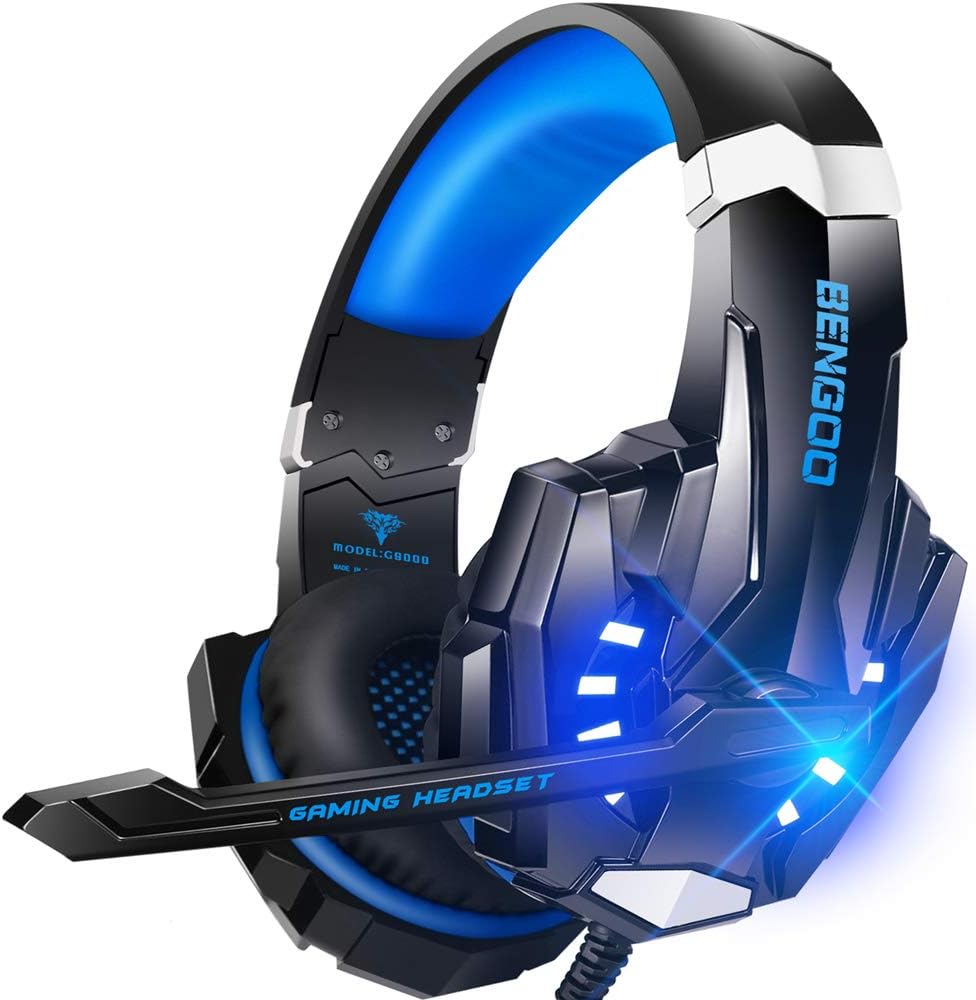

Top 5 Best Gaming Headsets 2026 Stream Tech Reviews By BadIntent Pc38x Portrait. 8 Best Logitech Gaming Headphones Of 2026 Top Logitech Gaming Headphones . Best Gaming Headphones For PC And Console 2026 Top Audio Picks Best JBL Headphones For Bass Lovers . Best Affordable Gaming Headset 2026 Budge Gaming PC Guru AC SL1000 . Best Gaming Headsets 2026 Top 6 Best Models So Far YouTube