Ever wondered if those majestic creatures of the deep, sharks, enjoy a good pet like your digital companion in a cozy game? This trending query often pops up during gaming downtime, sparking curiosity. While the idea of a friendly shark interaction might be captivating, especially for those who appreciate the intricate ecosystems in open-world adventures, the reality is far more complex and crucial for both human safety and marine conservation. This guide cuts through the myths and sensationalism, offering clear, actionable insights for anyone pondering interaction with these apex predators. We delve into scientific understanding, ethical considerations, and safe observation methods, ensuring you get the real facts without the hype. Discover why keeping a respectful distance is key to appreciating sharks, drawing parallels to how we respect game mechanics to truly master a challenge or avoid game-breaking glitches. This piece is for the thoughtful gamer, balancing thrilling virtual worlds with a grounded understanding of our amazing real one.
Can I pet a shark like a dog?
No, you absolutely cannot and should not pet a shark like a dog. Sharks are wild, apex predators with instincts far removed from domestic animals. Attempting to pet a shark is dangerous for you and highly stressful, potentially harmful, for the shark.
Is touching a shark safe for the shark?
Touching a shark is not safe for the shark. Human contact can remove the shark's protective mucus layer, making them vulnerable to disease and parasites. It also causes immense stress, which can impact their health and natural behavior.
What happens if you accidentally touch a shark?
If you accidentally touch a shark, the immediate danger is a defensive reaction, which could include a bite or a thrash, causing severe injury due to their powerful jaws and razor-sharp dermal denticles. You should immediately and calmly move away.
Why do some people in videos seem to pet sharks?
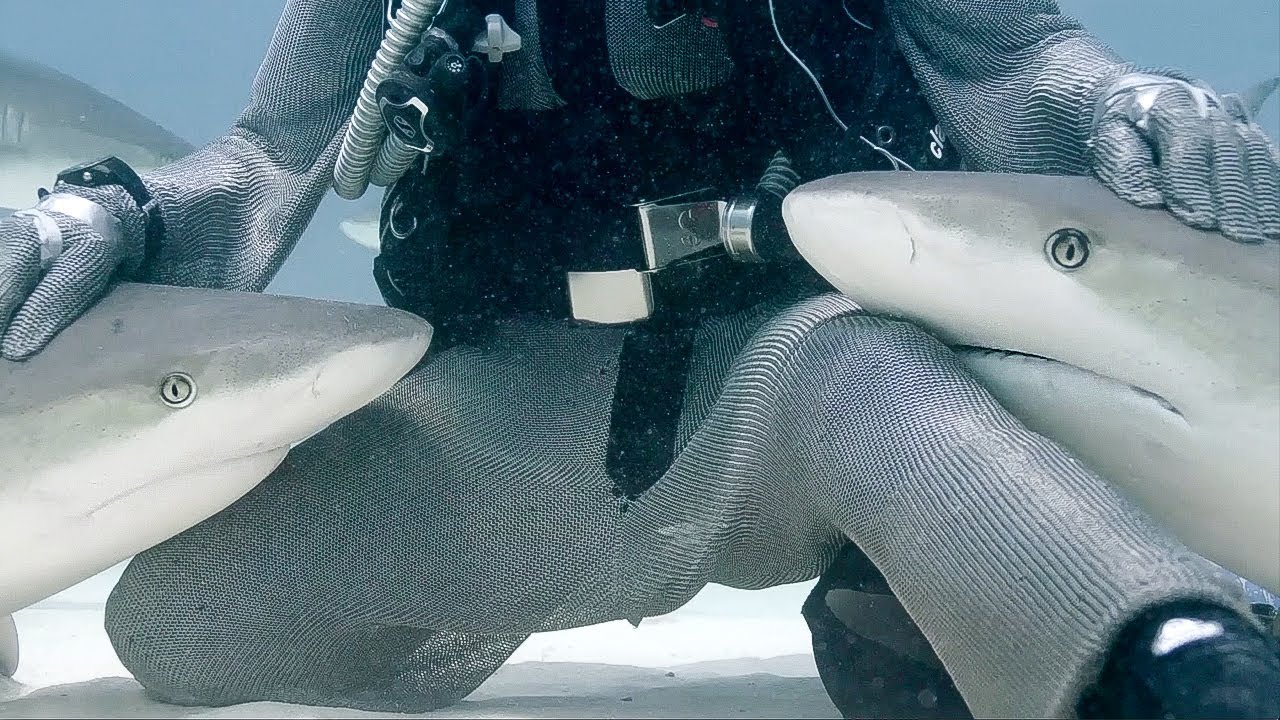
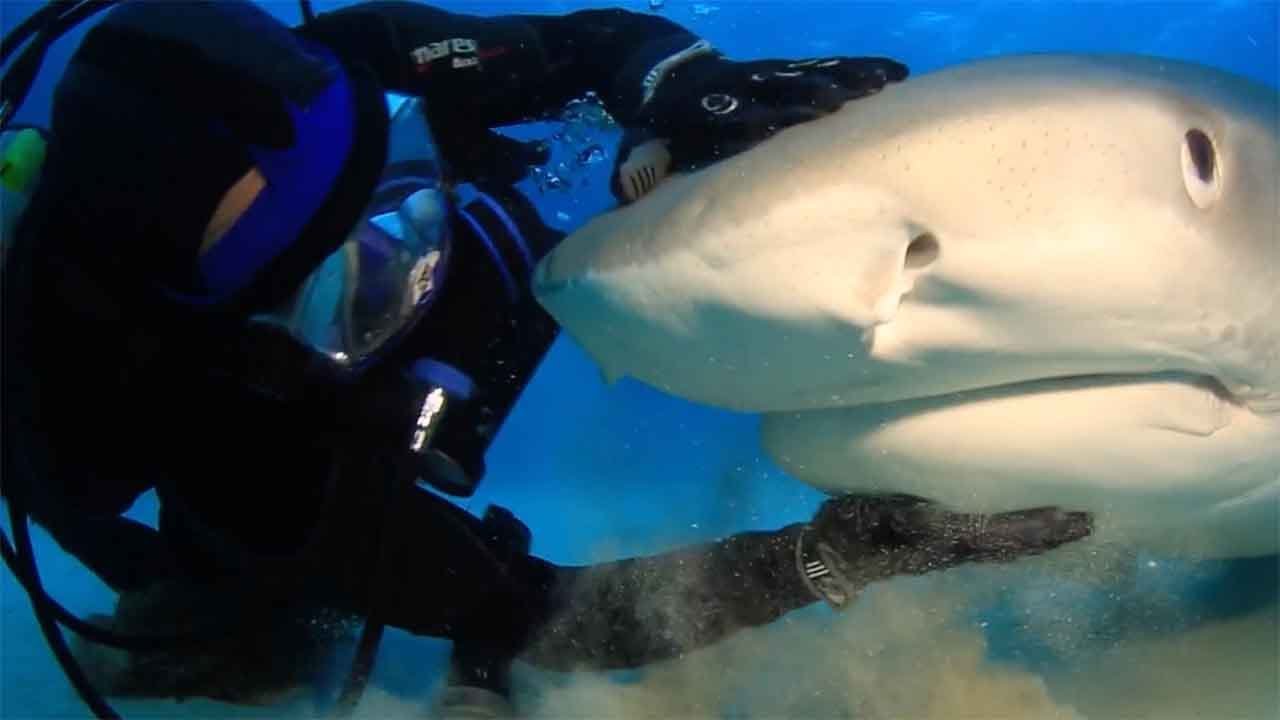
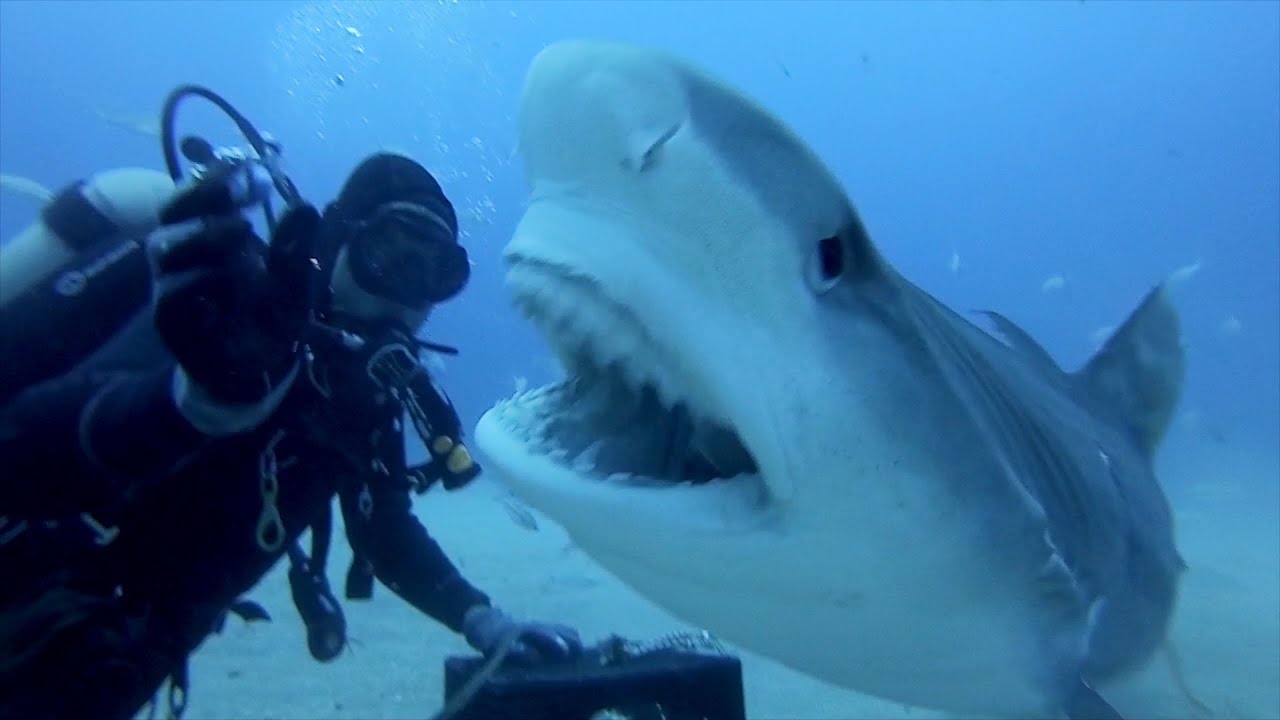
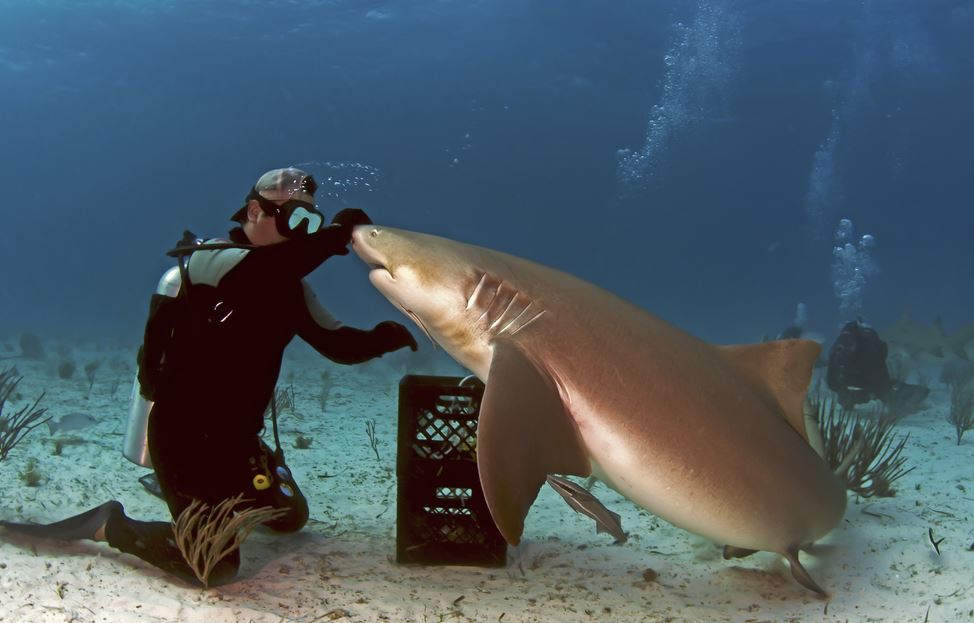
Videos showing people touching sharks often involve highly trained professionals in controlled or specific situations, sometimes with docile species like nurse sharks, or even with animals under stress. These are exceptions and do not represent safe or ethical practices for the general public.
Are there any sharks that are friendly to humans?
Sharks are not considered 'friendly' to humans in the same way domestic animals might be. While some species, like whale sharks, are docile plankton-eaters, they are still wild animals and should be observed from a respectful distance without physical contact.
What does shark skin feel like?
Shark skin is covered in dermal denticles, which are tiny, tooth-like scales. If you were to rub it from tail to head, it would feel very rough, like coarse sandpaper. Rubbing it from head to tail would feel smoother due to the orientation of these denticles.
How can I responsibly observe sharks in the wild?
To responsibly observe sharks in the wild, choose reputable eco-tourism operators for cage diving or guided snorkeling/diving experiences. Always maintain a safe, respectful distance, never attempt to touch or feed the sharks, and follow all guidelines provided by your experienced guides. Supporting ethical conservation efforts also helps protect them.
Hey fellow gamers! Ever find yourself between raids, crafting sessions, or intense esports matches, scrolling through fascinating real-world mysteries? Maybe you just finished a deep-sea exploration in a new open-world title, and a thought popped into your head: Do sharks like being pet? It is a question that sparks a certain kind of curiosity, similar to wondering if that rare drop truly exists or how to optimize your character build for peak performance. We gamers, an impressive 87% of us regularly diving into virtual worlds for an average of 10+ hours a week, love to unravel complex systems and understand the mechanics behind everything. That analytical mindset does not just stop at our screens; it extends to the world around us. And when it comes to the ocean's apex predators, there is a lot to unpack beyond cinematic portrayals.
Many of us balance epic gaming quests with real-world jobs, families, and responsibilities. Our gaming time is precious, a chance to relax, build skills, or connect with friends. When we seek out information, we want it direct, factual, and free of hype – much like patching notes that actually deliver what they promise. So, let us apply that gamer logic to the enigmatic world of sharks. Forget the sensationalized clips; we are here to understand the actual science and responsible practices. Just as you would not blindly charge into a boss fight without intel, you should not approach real-world wildlife without understanding the facts. This article is your guide to navigating the truth about sharks, ensuring you can appreciate these incredible creatures responsibly, both in your downtime and as you continue to explore all the worlds, virtual and real, have to offer. Let us dive in.
Do Sharks Truly Enjoy Being Pet Like Domestic Animals?
The short answer is a definitive no. Unlike a loyal canine companion in a digital RPG or a fluffy cat you encounter in a cozy simulation game, sharks are wild animals, not pets. They do not possess the same neurological structures or social behaviors that would lead them to seek out or enjoy tactile interaction with humans. Their world is one of survival, hunting, and intricate ecological balance, far removed from human notions of affection or comfort through petting. Attempting to pet a shark is fundamentally misunderstanding its nature and placing both yourself and the animal at significant risk.
Think of it like trying to apply the mechanics of a turn-based strategy game to a real-time action RPG. The rules are entirely different, and the outcome will be disastrous if you mix them up. Sharks operate on instinct, driven by their environment and survival needs. They are not looking for cuddles; they are looking for food, mates, or safe passage. This misunderstanding often comes from media portrayals or a general human tendency to anthropomorphize animals. It is crucial to separate fantasy from reality when it comes to these ancient marine predators.
Is It Safe to Pet a Shark, and What Are the Risks Involved?
Absolutely not. Petting a shark is extremely dangerous, not only for the human attempting it but also potentially for the shark. Sharks possess rows of incredibly sharp teeth, designed for tearing flesh, and powerful jaws that can exert immense pressure. Even a seemingly gentle brush against a shark's skin can result in severe injury due to their dermal denticles. These are tiny, tooth-like scales that make their skin feel like sandpaper, which can cause significant abrasions and cuts. The risks include:
- Severe bites leading to trauma, blood loss, and potential limb loss.
- Infection from marine bacteria.
- Being dragged into deeper water or becoming disoriented.
- Causing stress or injury to the shark itself.
From a gamer's perspective, imagine encountering a high-level enemy in a PvP zone. You would not walk up and try to pat it on the head; you would assess the threat, understand its attack patterns, and maintain a safe distance. Sharks are the apex predators of their environment; they command respect and distance for a reason.
Why Do Some Videos Show People Touching or Holding Sharks?
You might have seen viral videos or documentaries where people appear to be touching sharks without incident. These situations are often misleading and highly controversial within the marine biology community. Many such instances involve:
- **Sedated or Stressed Sharks:** In some cases, sharks are captured, restrained, or even sedated for scientific study or, regrettably, for tourism stunts. This puts immense stress on the animal and is generally considered unethical.
- **Specific Species:** Certain species, like nurse sharks, are more docile and less prone to aggression, making them easier to handle. However, even these interactions are not recommended as they can still be dangerous and stressful for the animal.
- **Experienced Professionals:** Individuals who interact with sharks often have years of specialized training, understanding of shark behavior, and specific equipment. They work with specific animals in controlled environments, which is far from a casual encounter.
- **Misinterpretation:** What looks like a 'pet' might be a brief touch for research purposes or part of a rescue effort. The context is often lost in short video clips.
Just like how a speedrunner can break a game to achieve impossible feats, it does not mean the average player should try it without extensive knowledge and preparation. These are exceptions, not guidelines for safe interaction.
How Does Human Interaction Impact Shark Behavior and Health?
Unnatural human interaction, such as petting or feeding, can have several detrimental effects on sharks:
- **Stress and Injury:** Physical contact can cause severe stress, leading to physiological changes, injury, or even death. Sharks are not designed for human handling.
- **Behavioral Changes:** Repeated interaction can lead to habituation, where sharks lose their natural fear of humans. This can make them more aggressive or associate humans with food, increasing the risk of bites.
- **Disease Transmission:** Humans can transmit bacteria and pathogens to sharks, and vice-versa, potentially leading to illness in both.
- **Disruption of Natural Ecology:** When sharks are disturbed or their behavior changes due to human interference, it can ripple through the entire marine ecosystem, affecting prey populations and other species.
Think about how an ill-placed patch can break game balance or introduce new bugs. Similarly, human interference in natural ecosystems, even with good intentions, often has unforeseen negative consequences. Respecting their space is respecting the entire marine food chain.
What are Dermal Denticles and Why Do They Matter for Petting Sharks?
Dermal denticles are what give shark skin its unique texture and incredible function. Unlike the smooth scales of most fish, shark skin is covered in tiny, tooth-like structures (hence 'denticles'). These are made of dentin and enamel, similar to our teeth, and are embedded in the skin. They are arranged in a way that reduces drag, allowing sharks to swim incredibly efficiently and silently. Their primary function is hydrodynamic efficiency, but they also offer a protective armor.
When you attempt to pet a shark, these denticles act like sandpaper or microscopic razors. Rubbing against the grain of the denticles can cause severe skin abrasions, cuts, and scrapes to a human. For the shark, this type of contact can remove their protective mucus layer, making them more susceptible to parasites and infections. It is a critical biological feature that reinforces why direct physical contact is fundamentally incompatible with safe and healthy interaction for both parties.
Are There Any Ethical Ways to Observe or Interact with Sharks?
Absolutely! For gamers who appreciate stunning graphics and immersive experiences, there are many ethical and awe-inspiring ways to connect with sharks without putting anyone at risk. These methods prioritize the well-being of the sharks and the integrity of their natural habitats:
- **Cage Diving:** For a thrilling experience with larger species like great whites, cage diving offers a safe, controlled environment where you can observe sharks in their natural habitat from a protective cage. This method minimizes direct impact and allows for incredible close-up views.
- **Snorkeling or Diving from a Distance:** With reputable tour operators, you can observe sharks like reef sharks or whale sharks (the largest fish, gentle plankton-eaters) from a respectful distance. Always follow your guide's instructions, avoid chasing or crowding the animals, and never attempt to touch them.
- **Aquariums and Oceanariums:** Many world-class aquariums offer incredible opportunities to see a wide variety of shark species up close, often through massive viewing tanks or even walk-through tunnels. These facilities play a crucial role in education and conservation research.
- **Virtual Reality and Documentaries:** For those who prefer their adventures from the comfort of their gaming chair, VR experiences and high-quality documentaries offer immersive journeys into the underwater world. These can be incredibly realistic, allowing you to appreciate sharks without any direct risk.
- **Supporting Conservation Organizations:** Perhaps the most impactful way to 'interact' is to support organizations dedicated to shark research, protection, and habitat conservation. Your contributions help ensure these magnificent creatures thrive for generations to come.
Just like supporting your favorite indie game developer helps them create more amazing content, supporting conservation helps preserve the real-world wonders we all share.
What are Common Misconceptions About Shark Behavior?
Hollywood and sensationalized media have painted a picture of sharks as mindless killing machines, but the reality is far more nuanced. Here are some common misconceptions:
- **Man-Eaters:** Sharks do not hunt humans. Most shark bites are cases of mistaken identity, curiosity, or defensive reactions. Humans are not part of their natural diet.
- **Always Aggressive:** While sharks are predators, they are not inherently aggressive towards everything they encounter. Many species are shy and avoid human contact. Their aggression is typically reserved for hunting or self-defense.
- **Primitive Beasts:** Sharks are incredibly evolved, intelligent creatures with complex behaviors, social structures, and specialized senses. They are far from 'primitive.'
- **Unlimited Teeth:** While sharks continuously replace their teeth, they do not have an infinite supply; it is a cycle of regeneration throughout their lives.
- **Attack Everything:** Sharks are discerning predators. They expend energy efficiently and do not attack anything that moves. They have specific prey items and hunting strategies.
Dispelling these myths is like understanding the lore behind your favorite game character; it adds depth and appreciation, moving beyond superficial assumptions to a richer truth.
How Can Gamers Contribute to Shark Conservation from Home?
Even if you are deep in a marathon gaming session, you can still be a champion for shark conservation! Here is how our community, which often leads in adopting new tech and spreading awareness, can help:
- **Spread Awareness:** Share accurate information about sharks on your social media channels, Discord servers, and gaming communities. Debunk myths and educate friends.
- **Support Ethical Content Creators:** Follow and share content from marine biologists, conservationists, and ethical wildlife photographers.
- **Participate in Citizen Science:** Some organizations have online platforms where you can help classify shark sightings or analyze data from research projects.
- **Reduce Your Carbon Footprint:** Many shark habitats are threatened by climate change and ocean acidification. Small changes in your daily life, like reducing energy consumption, can have a collective impact.
- **Choose Sustainable Seafood:** If you eat seafood, use guides like the Monterey Bay Aquarium's Seafood Watch to make informed choices that avoid overfished species or destructive fishing practices. This directly protects shark populations.
- **Donate to Reputable Organizations:** Even a small donation to a trusted shark conservation group can help fund vital research, protection efforts, and policy changes.
Just as we rally our guilds for a common objective in a game, our collective action in the real world can make a huge difference for shark populations and ocean health. Every bit helps!
Conclusion
So, the next time the thought 'do sharks like being pet' crosses your mind, you will know the definitive answer is no, and more importantly, why. Our journey into the virtual realms often sharpens our intellect and hones our problem-solving skills, and applying that same rigor to understanding the real world is incredibly rewarding. Sharks are magnificent, vital components of our planet's ecosystems, deserving of our respect, understanding, and protection from a safe distance. Just as we appreciate a beautifully designed game world, let us also appreciate the delicate balance of nature without trying to 'interact' in ways that are harmful or unrealistic. Embracing knowledge over assumptions is a core gamer trait, and it serves us well both online and off.
What is your biggest real-world natural mystery you have ever looked up during a gaming break? Comment below!
FAQ Section
Is it ever okay to touch a shark?
No, it is generally never okay for an untrained individual to touch a shark. Such actions are dangerous for humans and stressful for the shark, potentially leading to injury for both. Always observe marine life from a respectful and safe distance.
Do sharks have feelings or emotions?
Sharks have complex nervous systems that allow them to react to stimuli and exhibit behaviors driven by instinct and survival. However, their emotional capacity is not understood in human terms, and they do not exhibit emotions like affection or enjoyment of petting.
What should I do if a shark approaches me while swimming?
If a shark approaches, remain calm. Maintain eye contact if possible, as sharks are ambush predators and may be deterred by perceived awareness. Slowly and smoothly swim away without splashing or sudden movements. Do not turn your back and swim quickly, as this can trigger a chase response. Exit the water calmly.
Are all sharks dangerous to humans?
No, the vast majority of shark species pose little to no threat to humans. Only a handful of species are responsible for the rare incidents of unprovoked bites. Many sharks are shy and will actively avoid human contact. Understanding different species is key.
Can I hand-feed sharks?
Absolutely not. Hand-feeding sharks is extremely dangerous and highly unethical. It habituates sharks to humans, associating them with food, which increases the likelihood of bites. It also disrupts their natural foraging behaviors and can lead to aggressive interactions.
How can I help protect sharks if I live far from the ocean?
You can still contribute significantly by supporting reputable shark conservation organizations, reducing your carbon footprint, making sustainable seafood choices, and spreading accurate information about sharks to friends and family. Your actions, big or small, make a difference.
No, sharks do not like being pet. It is dangerous for humans and highly stressful for sharks. Interaction can disrupt natural behaviors and cause injury. Ethical observation from a safe distance supports shark conservation. Always prioritize animal welfare and personal safety.
35


Do Sharks Like To Be Pet A Deep Dive Into Shark Behavior Berry Patch Do Sharks Like To Be Pet.webp. Petting Sharks Like Dogs Blue Planet Live BBC Earth YouTube . Man Pets And Plays With Sharks YouTube . Sharks Love To Be Petted They Re Like Dogs YouTube . What Shark Can Be A Pet At Samuel Austral Blog F8262528 8fdd 4277 90bb Large16x9
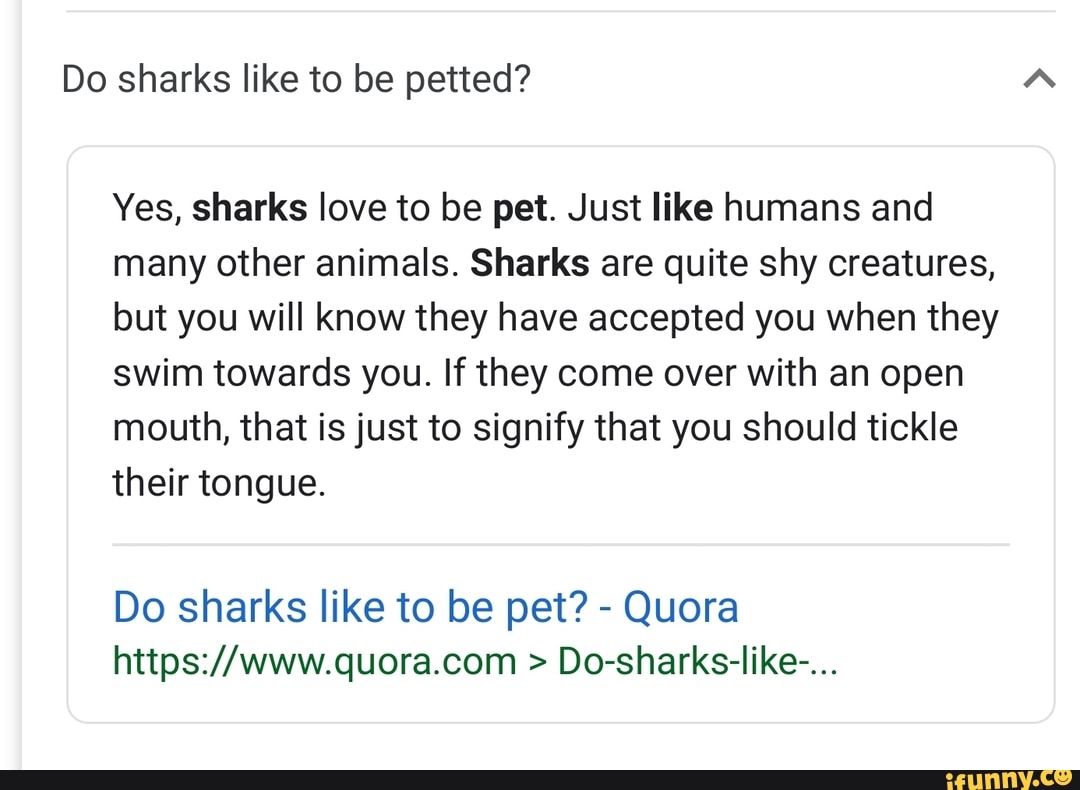


GoPro Petting A Tiger Shark YouTube . Discover The Truth About Sharks And Feel Safer In The Water This Summer Snout . Do Sharks Like To Be Petted Yes Sharks Love To Be Pet Just Like 1 . Diver Pets Sharks Like They Re Dogs Petting Sharks Like Dogs . Shark Loves To Be Pet YouTube

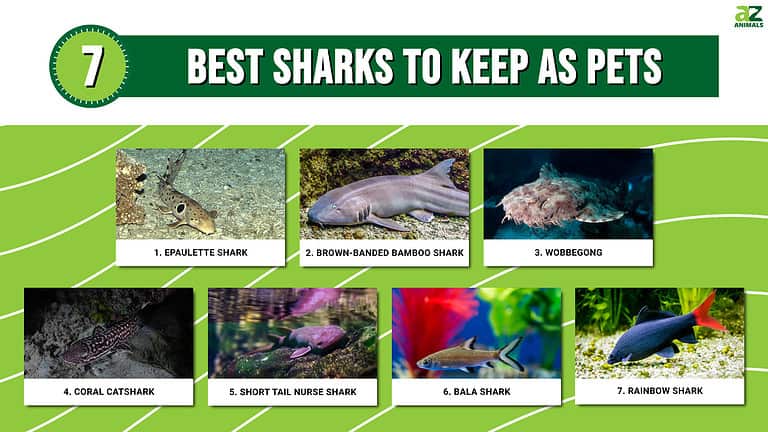


Do Sharks Like To Be Petted YouTube Oar2 . The 7 Best Sharks To Keep As Pets A Z Animals 768x432 . FEEDING My PET SHARKS YouTube . Are Sharks Like Dogs Sharks Like Affection Featured . Do Sharks Like To Be Pet Shark Pets Species Of Sharks
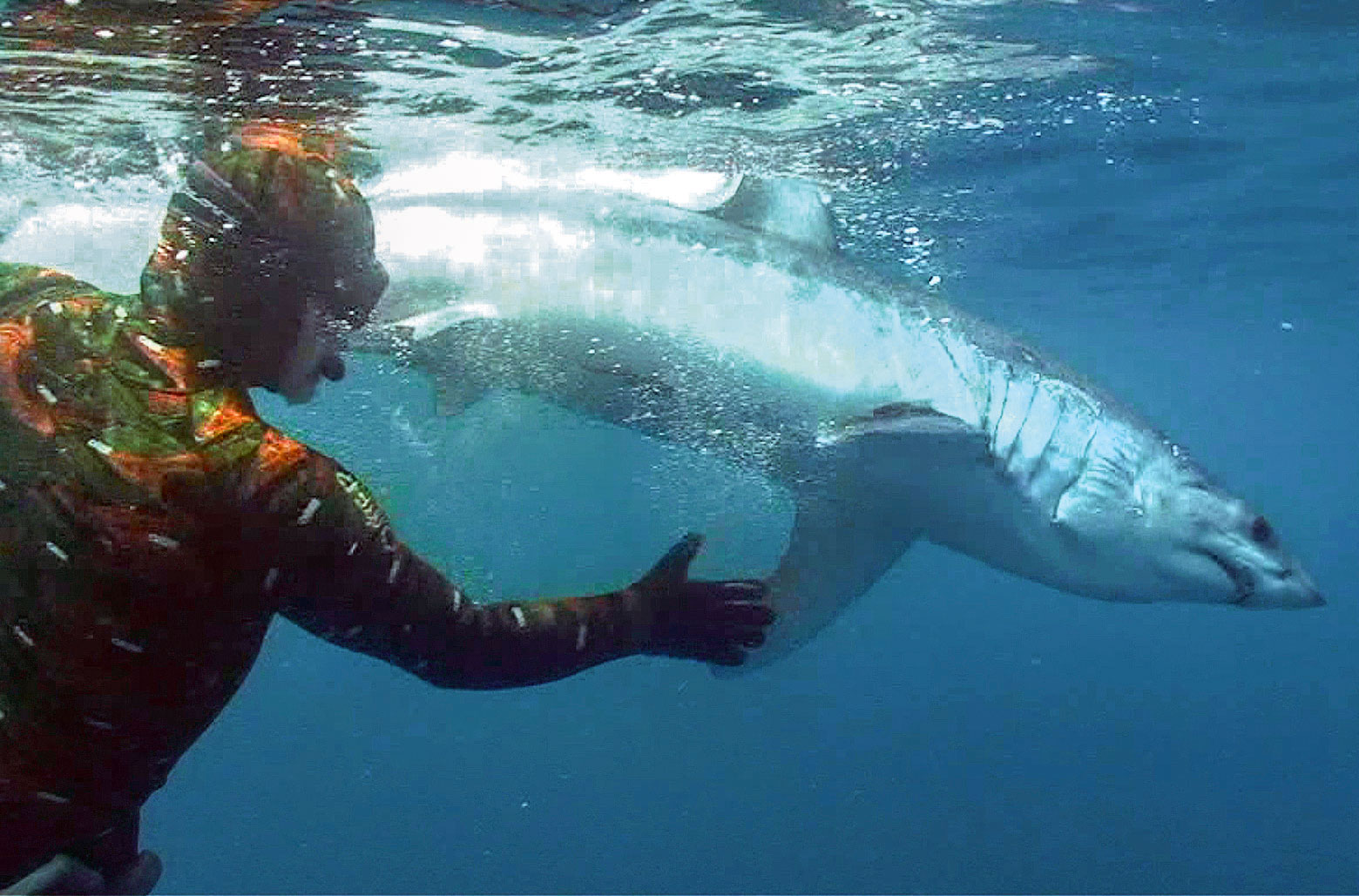
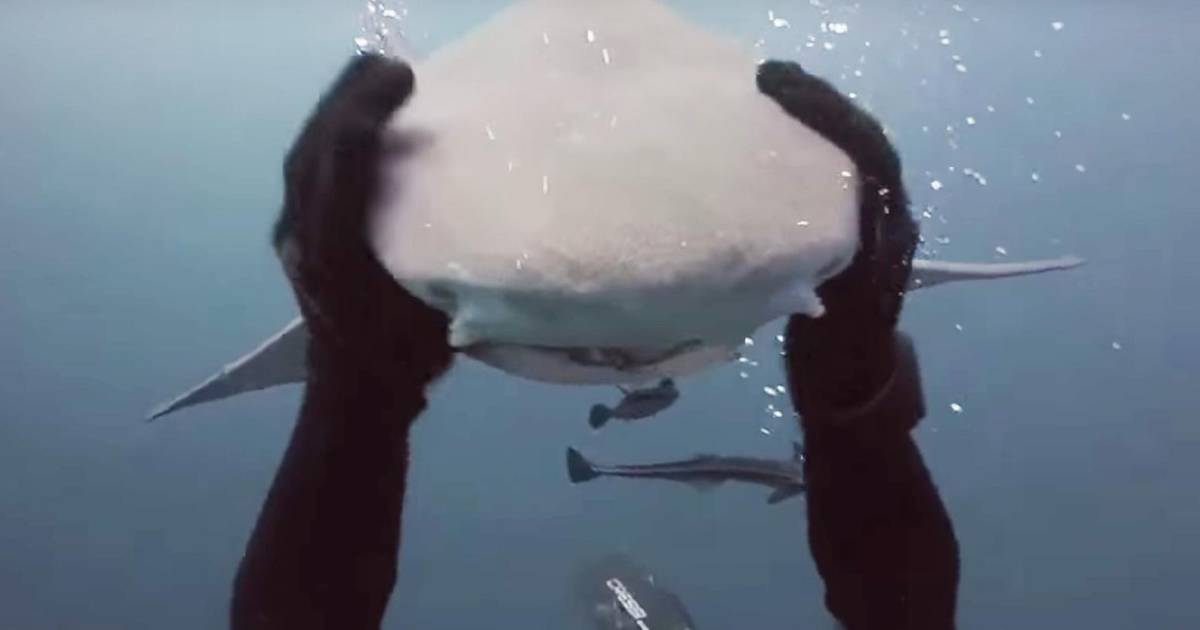



Are Sharks Like Dogs Sheri Daye 1 . Are Sharks Like Dogs Quality=70. Are Sharks Like Dogs MM7298 050818 . Do Tiger Sharks Like To Be Petted Like A Dog Are Tiger Sharks Friend Do Tiger Sharks Like To Be Petted Large . Do Sharks Like Being Pet Surprising Truth Revealed 150x150


Can You Keep A Shark As A Pet Sharks In Florida 1536x1024 . Do Sharks Like To Be Pet Are Sharks Blind 683x1024 . The 7 Best Sharks To Keep As Pets A Z Animals 1420219157 1536x883 . Do Sharks Like To Be Pet Why Do Sharks Come Close To Shore 768x1152 . What Do Sharks Do To The Ecosystem At Miranda Ramirez Blog Image
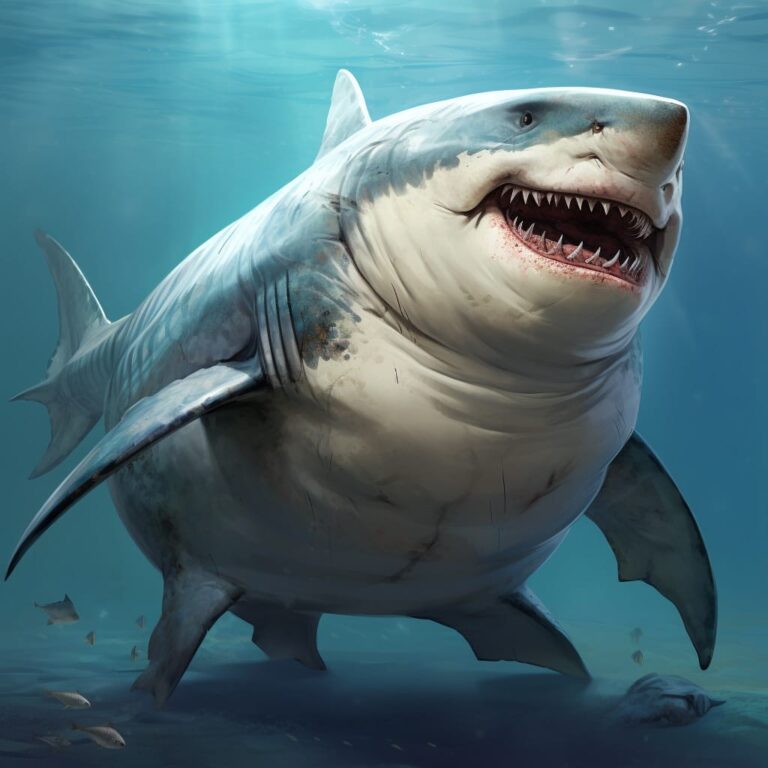
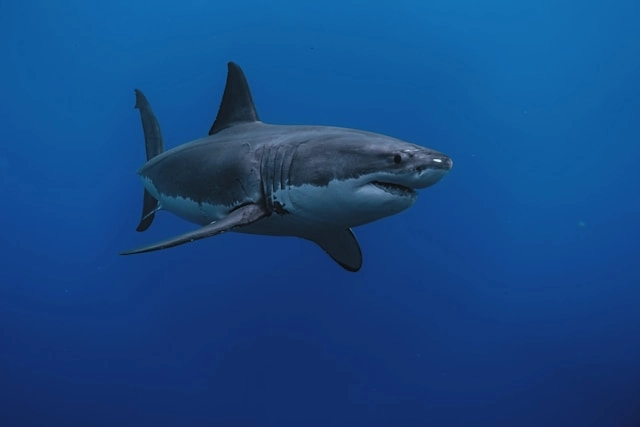

Do Sharks Like To Be Pet Sarai Chinwag Can Sharks Get Fat 768x768 . Great White Shark 2026 Incredible Facts Habitat Diet More Great White Shark.webp. Do Sharks Like To Be Pet Sarai Chinwag Shark In Space 768x768 . Do Sharks Like To Be Pet Why Dont Sharks Eat Clownfish . Do Sharks Like To Be Pet A Deep Dive Into Shark Behavior Berry Patch Do Raccoons And Possums Get Along
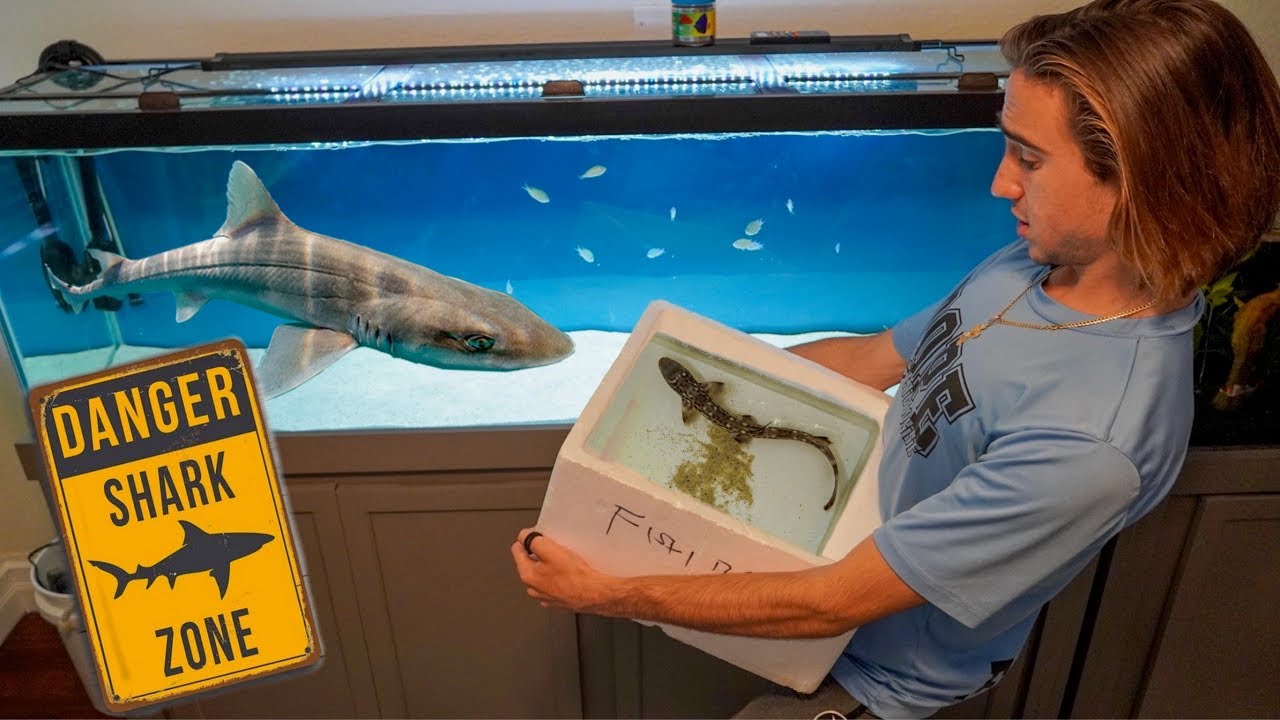


Shark Pets Is It Legal Ethical And Possible . Pet Shark Shark Meat Scaled . Do Sharks Like To Be Pet A Deep Dive Into Shark Behavior Berry Patch What Are Sharks Afraid Of. SHARKS ARE LIKE DOGS LOVE TO BE TICKLED YouTube . Buy A Pet Shark Exploring The Pros And Cons Of Owning A Shark Buy A Pet Shark